2026 FIFA World Cup Restaurant Growth Guide: Turning Match-Day Traffic into Organized Revenue and Repeat Customers
Connexup Team
Jun 12, 2026
The 2026 FIFA World Cup will span 16 host cities across the United States, Canada, and Mexico. According to BusinesStats estimates, around 1.24 million international visitors may travel to the U.S. for the tournament, with about 742,000 coming specifically for the World Cup. Many are expected to stay for around 12 days and contribute meaningful spending across hospitality, dining, transportation, and local experiences.
For restaurant owners, that sounds like an obvious opportunity. More people in town, more fans looking for places to gather, more reasons to eat out. But high traffic does not automatically mean higher revenue. Major sporting events do not create the same type of demand as a typical weekend dinner rush. Customers are not just looking for a meal; they are looking for a place to watch, gather, celebrate, share food, meet friends, and keep the energy going before and after the match.
That is why simply turning on the TV and waiting for walk-ins is not enough. A restaurant can be packed and still miss the real opportunity if service slows down, guests wait too long, staff feel overwhelmed, margins stay thin, and first-time visitors never come back.
The real opportunity is not just serving a few more tables during the World Cup. It is turning short-term match-day excitement into a more organized revenue system: one that can be reserved in advance, managed efficiently, and converted into repeat business.
Start with the Traffic: Know Who You’re Actually Serving
World Cup traffic is not a single audience — it is layered and predictable.
Restaurants in host cities may see direct demand from visitors, fans, and pre- or post-match crowds. For these operators, the challenge is not simply getting people through the door. The bigger opportunity is capturing higher-value group bookings before demand hits all at once on match day. If fans already know your restaurant accepts reservations, offers group-friendly seating, and has match-day packages ready, it becomes much easier to turn interest into confirmed revenue.
Restaurants outside host cities should not assume the World Cup is irrelevant. Across the U.S., there are soccer fans, international communities, immigrant families, college students, office teams, and local groups looking for places to gather. For these markets, the opportunity may not come from stadium traffic. It comes from community energy. When people start searching for "soccer watch party near me," "game day food near me," or "restaurant with TV near me," whether your restaurant appears in those searches can make all the difference in directing this wave of soccer-driven traffic your way.
A practical first step is to rank match days by opportunity. High-profile matches, such as major national teams, knockout rounds, and the final, may deserve reservations, package pricing, or minimum spend policies. Matches tied to local communities can inspire country-themed menus or in-store experiences. Lower-demand games can still support affordable drinks and small bites, while the final stage of the tournament may justify stronger group packages and more structured booking rules.
The key is not to treat every match the same. World Cup demand is a mix of different people, times, and reasons to visit. Once a restaurant understands who it is trying to serve, product design, staffing, marketing, and operations become much more focused.
Package the Match-Day Experience into Menu Offers
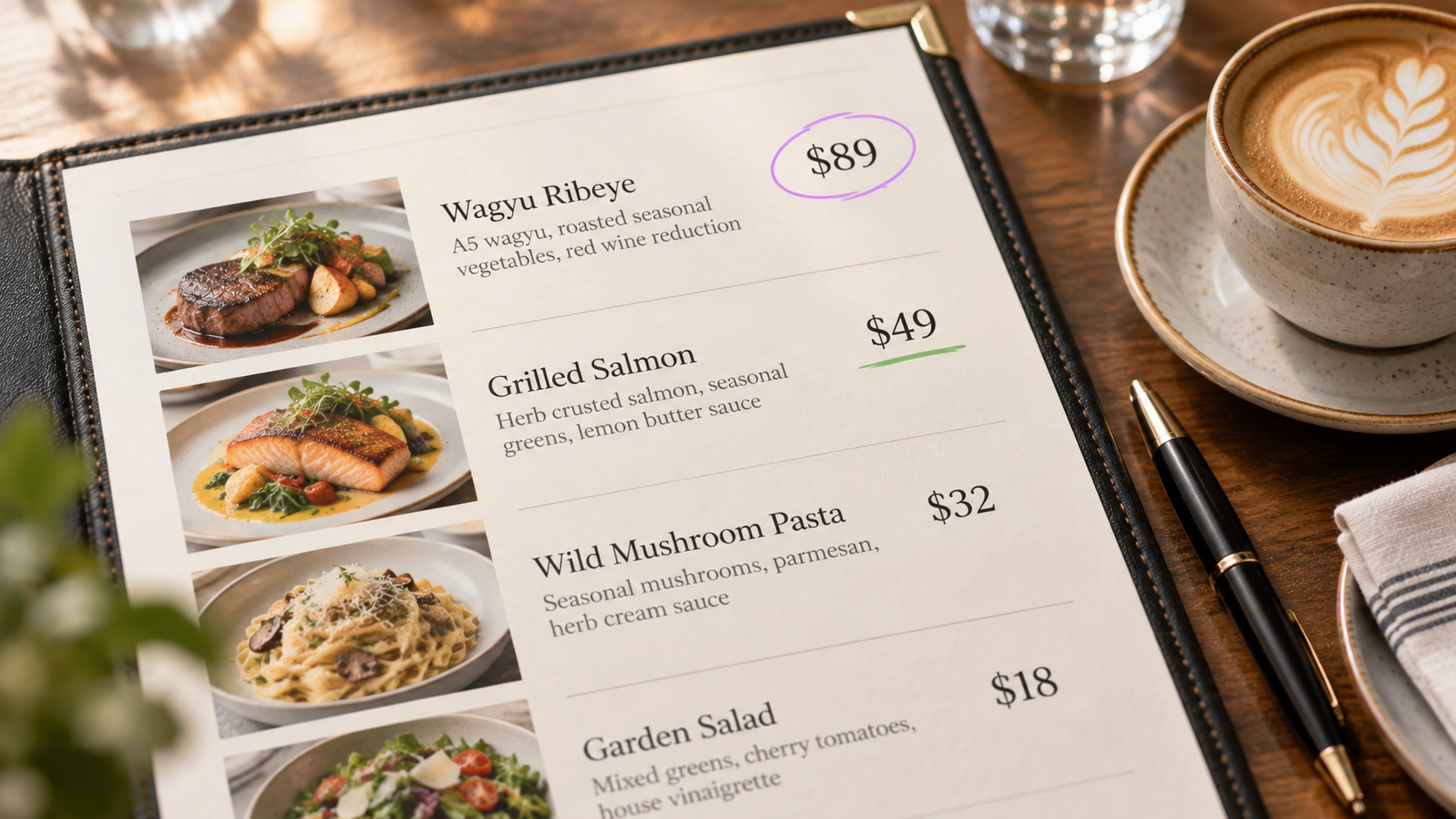
During the World Cup, guests are not looking for a regular menu in a regular setting. They want something easy to understand, easy to order, and easy to share. For small and mid-sized restaurants, this does not require a full renovation or an expensive event program. Often, small adjustments to menu structure, naming, packaging, and presentation can meaningfully change how customers buy.
Restaurant Dive’s reporting on SpotOn data found that drinks made up a large share of new World Cup-related menu items at independent restaurants. That makes sense. Drinks and simple shareable items are easier to execute, easier to sell, and often more manageable from a margin perspective.
For many restaurants, the best starting point is not a large special menu, but two or three clear match-day offers:
1. A low-entry combo (1-2 guests): a snack plus a drink at a price that feels easy to say yes to. Its job is not to drive the highest check possible, but to lower the barrier for a casual fan to come in and stay.
2. A shareable combo (3-4 guests): two appetizers, a couple of sauces, several drinks, or a pitcher. This fits the way people actually watch matches. They want food on the table, fewer ordering interruptions, and items that do not overwhelm the kitchen.
3. A group package (6 or more guests): Fixed headcount, fixed pickup time, and fixed menu items help the restaurant forecast demand, prepare inventory, and avoid last-minute pressure.
Operationally, the best World Cup menu items are not necessarily the most creative. They are the most reliable. Fried items, grilled items, shareable platters, pizza, tacos, rice bowls, handheld foods, and family-style takeout meals usually work better than dishes that require long prep times, delicate plating, or too much customization.
Borrow the Big-Brand Playbook — at a Local Scale
Large brands offer useful lessons here. McDonald’s and Auntie Anne’s have leaned into World Cup-style marketing through limited-time products, shareable formats, collectibles, and simple interactive hooks. The underlying logic is much simpler: turn excitement into a product, make it easy to share, and give customers something memorable to associate with the moment.
Small restaurants can apply the same logic at a local scale. No branded collectible cup? Use a match-day cup sleeve, a team-color menu card, a simple sticker, or a handwritten “Match Night Menu.” No budget for merchandise? Offer a next-match drink voucher, a small-bite upgrade, or a score prediction reward. The point is not expensive stuff — it's to make the guest feel like this is not just dinner, but part of the match-day experience.
For restaurants with a little more room to experiment, lightweight merchandise and return‑visit incentives are also worth trying. A stamp card for match nights, a limited sticker set, a reusable takeout bag, a simple photo wall, or a “bring this card back for the next match” offer can all create a sense of continuity across the tournament. These small touchpoints give customers a reason to remember the restaurant, come back for the next game, and share the experience with friends.
The best local activations are practical, not flashy. They should support the same business goals as the menu: drive orders, encourage group visits, increase social sharing, and create a reason for customers to return.
Design the Scene, Not Just the Screens
 Many restaurants think World Cup preparation means turning on a few TVs, raising the volume, and posting once on social media. But guests rarely remember the screen alone. They remember who they watched with, how the food was served, whether the room felt lively, whether there was something to participate in, and whether the experience was worth sharing.
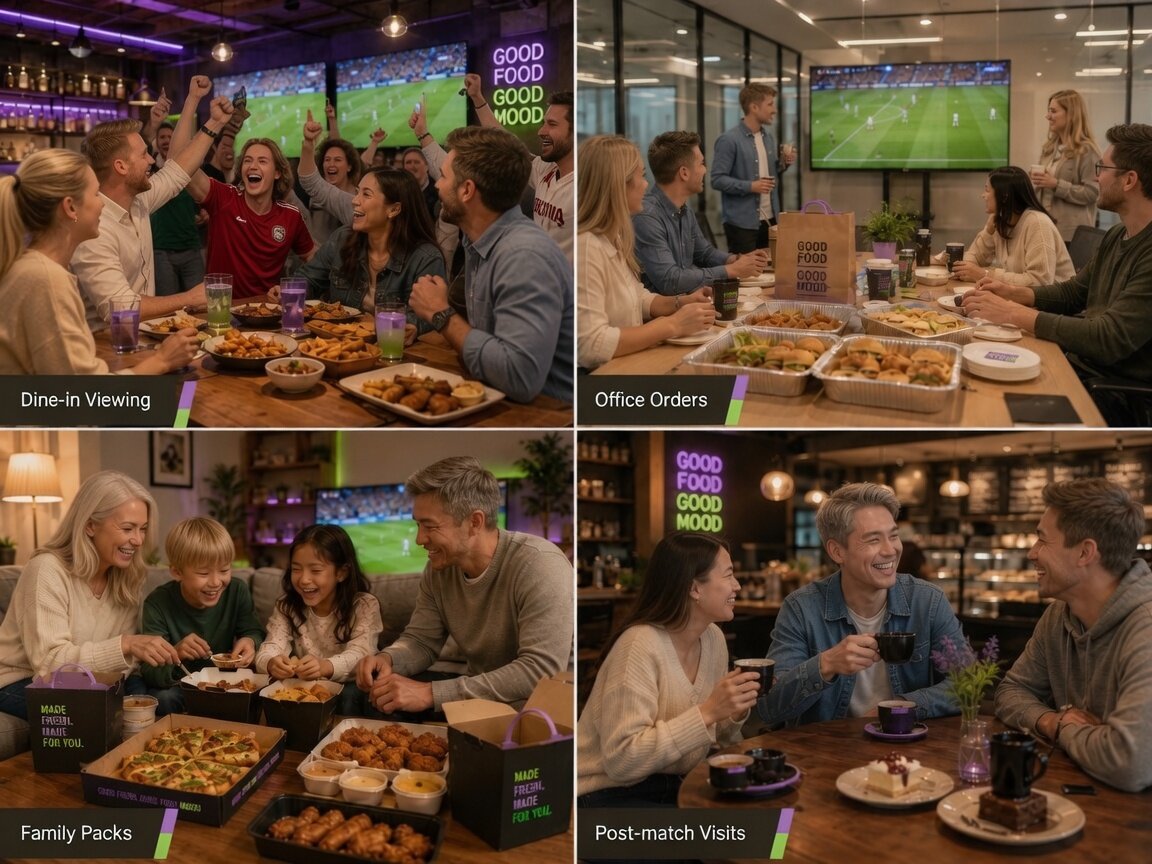
In‑restaurant viewing starts with simple zones: group tables, bar seats, family areas, and a photo corner. Even in a small space, table cards, menu inserts, lighting, team colors, music, and staff language can make the space feel intentionally prepared for match day — not just improvised.
For restaurants outside host cities, community partnerships can be just as valuable. Partner with a nearby gym, office, student group, or local soccer club to offer a “match night group table” or “soccer night special.” These don’t require a big budget but can bring in new customers who might not have visited otherwise.
Office and home viewing drive revenue beyond the dining room. Daytime matches mean companies need lunch, snacks, or catering; families want shareable, well‑packed meals at home. For small restaurants with limited seating, delivery service are more controllable than a full house — no tables taken and often prepaid.
Pre‑match and post‑match matter too. Before the game, customers want quick bites or a meeting spot. After the game, emotions are high — they may want coffee, dessert, or late‑night food. Safe terms like “pre‑match quick bites” or “after‑match coffee & dessert” extend the occasion beyond 90 minutes.
The main idea is simple: during the World Cup, restaurants are selling gathering moments. The operators who connect dine-in, takeout, office orders, family meals, and post-match visits can turn one match into multiple revenue opportunities.
Make Sure Operations Can Keep Up with the Energy
Even the best plan fails if operations can’t handle the volume. When traffic spikes, guests stay longer, groups get larger, drink orders increase, and takeout windows crowd. Without planning: kitchens slow down, staff struggle with packages, POS shows wrong prices, delivery competes with dine-in, wait times grow, reviews suffer.
Simplify the menu. A match-day menu should be shorter, clearer, easier to execute under pressure. Keep items that are consistent, profitable, shareable, fast. Remove items that take too long, cause errors, or slow the line. Easier menu = faster orders. Stable kitchen = better service.
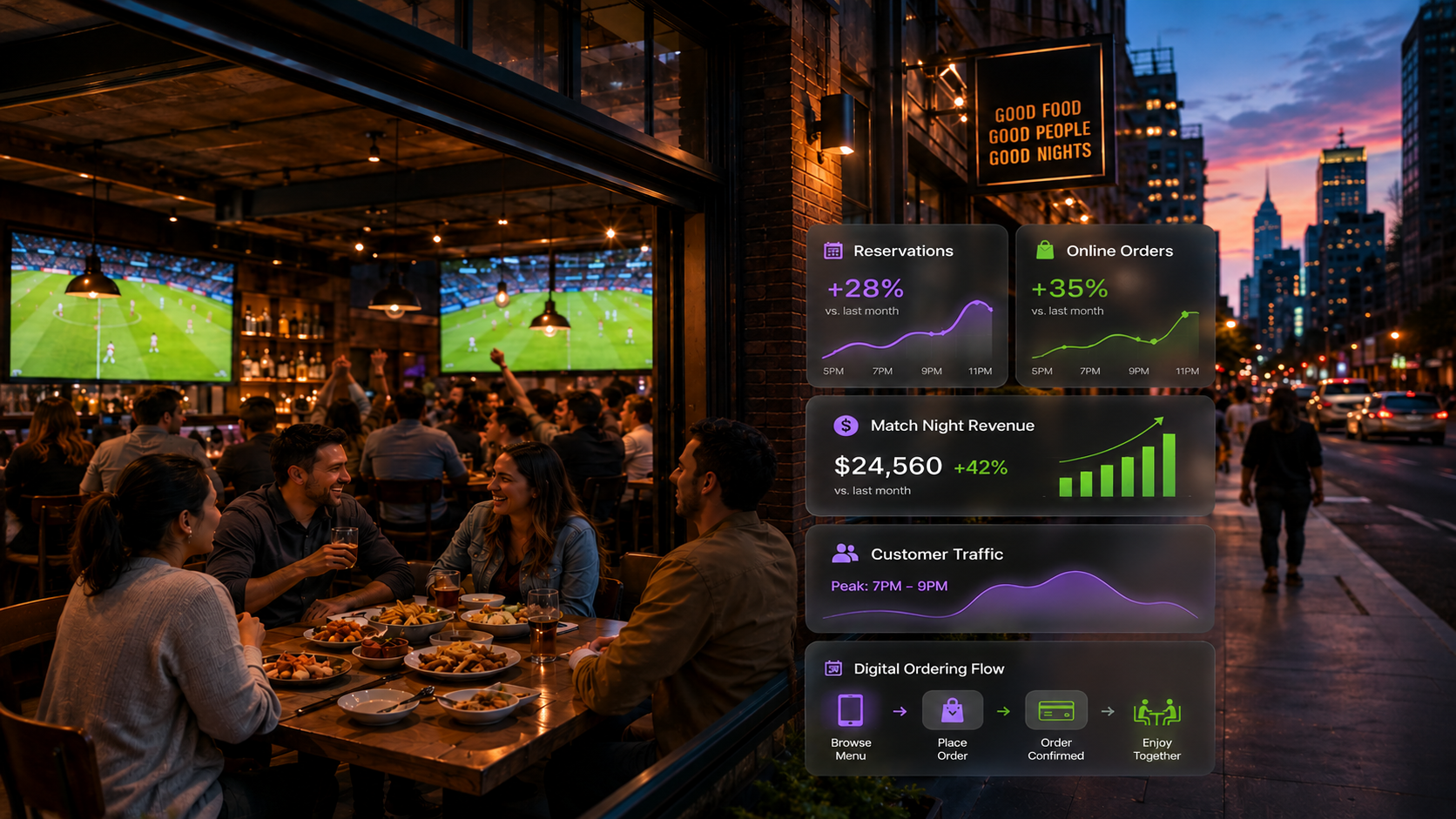
Set up systems before match day. Packages, party boxes, drink bundles, group orders, discounts — all should be built into POS or online ordering. This reduces mistakes, shortens checkout, and gives cleaner data: what sold best, when was busiest, what to repeat.
Staff around the match schedule, not a normal dinner rush. Pressure hits 60–90 minutes before kickoff, halftime, 30 minutes after match, and takeout pickup windows. Assign roles in advance: one for reservations, one for takeout pickup, one for group tables, one for bar drinks, one for live social content. Clear roles reduce confusion when it gets busy.
Set booking and service rules early. Group tables can require deposits, fixed menus, or minimum spend. Larger parties get advance notice of service charges. Takeout has clear cutoff times. High-demand matches may use a limited menu. These rules are not to make it harder for customers — they protect kitchen capacity, staff income, and guest experience.
During the World Cup, being busy is not the goal. Being busy with order, margin, and good reviews is the goal. The restaurants that win are those that turn peak demand into a controlled service flow.
Turn One-Time Excitement into Long-Term Value
The World Cup runs for weeks, so each match can drive the next visit. A smooth first experience — easy reservation, stable service, good food, clear pickup, lively atmosphere — makes guests more likely to return, bring friends, or stay connected after the tournament.
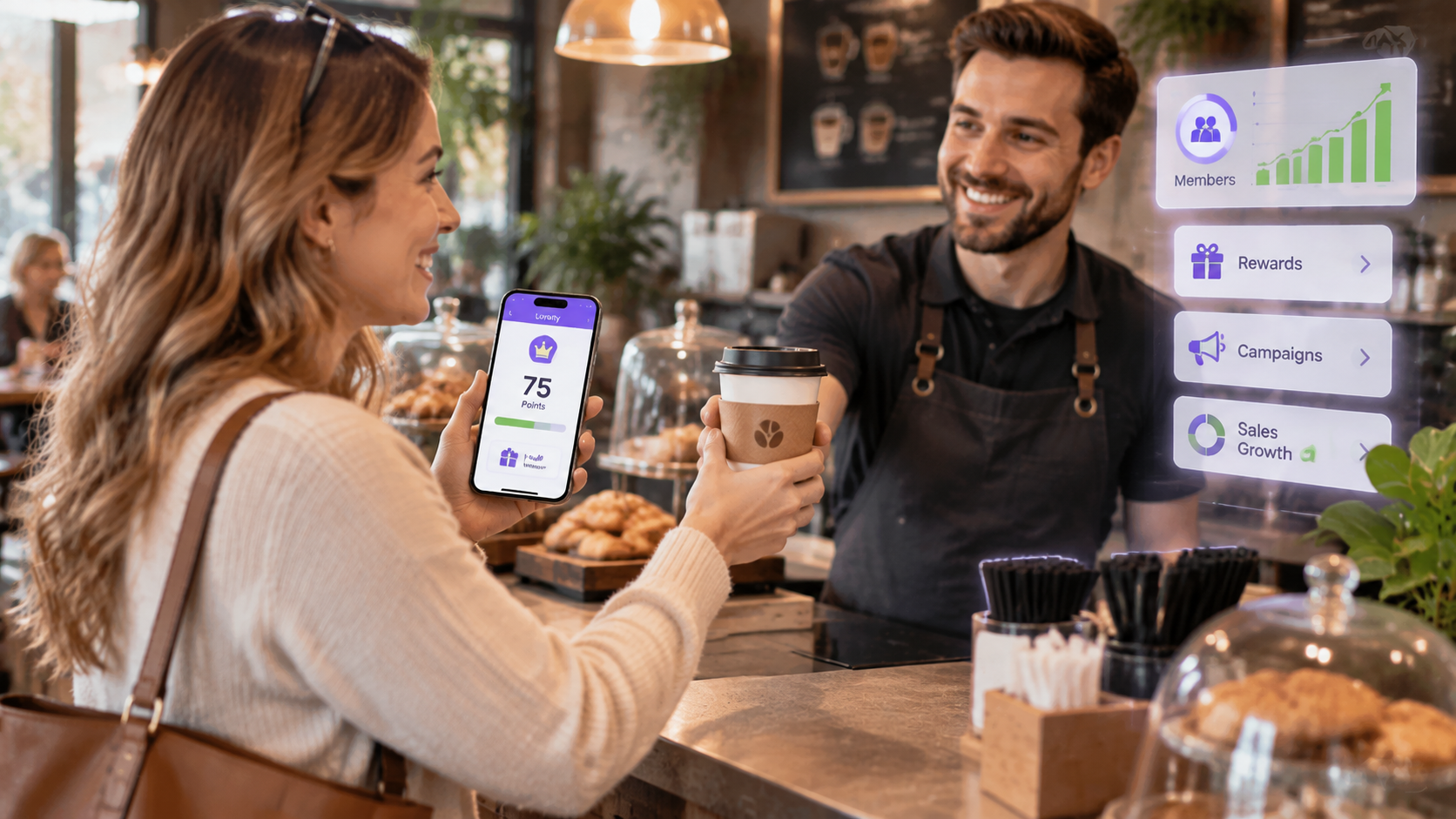
Don't let guests eat and disappear. Use QR menus, score games, loyalty sign‑ups, digital coupons, or review prompts to reconnect. Not every restaurant needs a complex CRM, but every restaurant should know who joined match days, what worked, and who is open to coming back.
Repeat business shouldn't rely only on discounts. A sustainable path: a guest attends a match, gets a reminder for the next one; returns with friends for a shareable upgrade; joins the loyalty program for future events, seasonal menus, or new items. The World Cup becomes an entry point to a customer relationship.
This approach lasts beyond the tournament. The packages, reservation flows, party boxes, office catering, loyalty touches, and social rhythm built for the World Cup can be reused for the NFL, NBA playoffs, college football, World Series, Super Bowl, or local events.
Short‑term events bring traffic. Long‑term growth comes from retention. The real asset is a repeatable event marketing system — not just a few weeks of sales.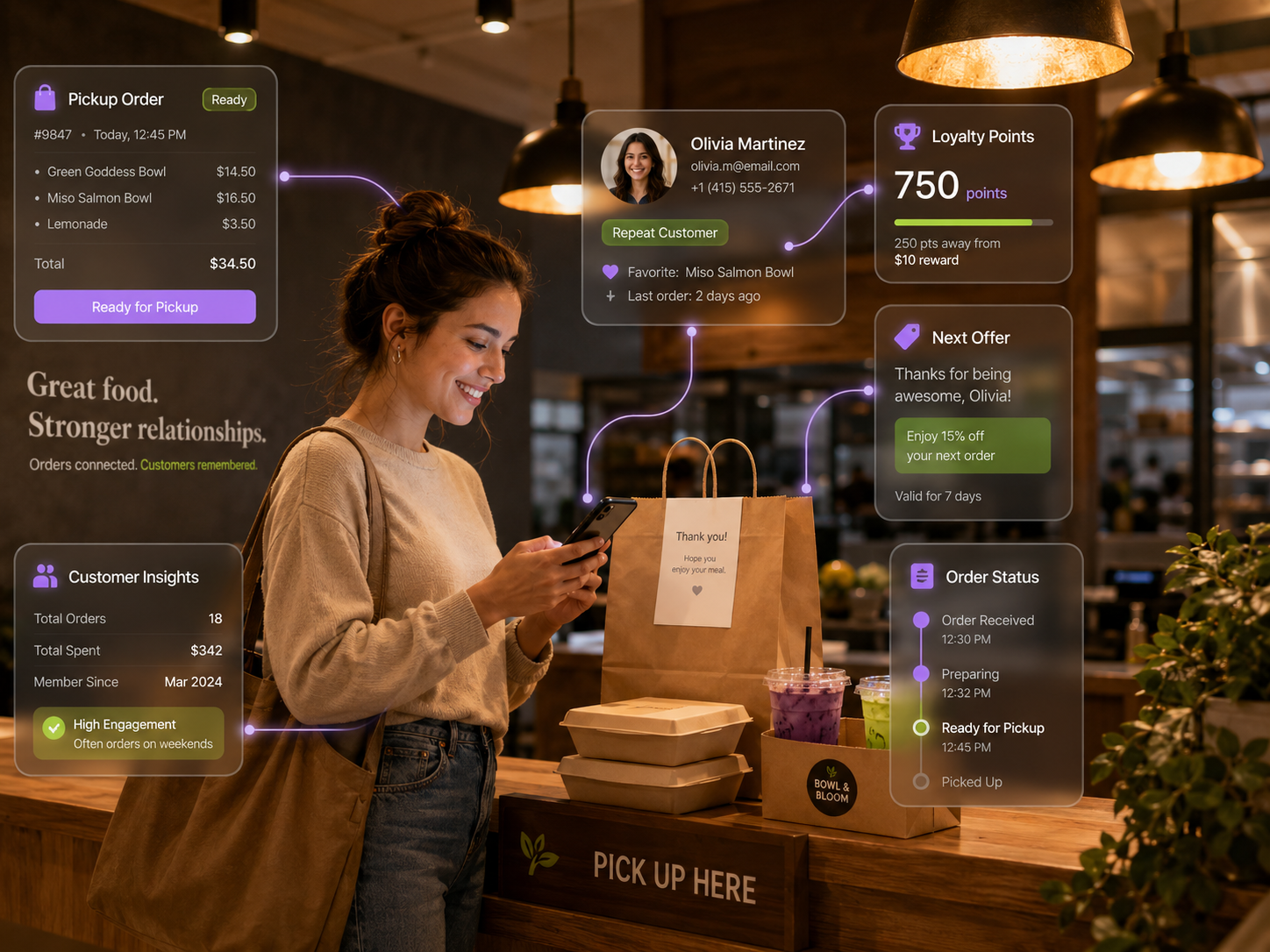
The Real Difference: Getting Busy vs. Getting More Profitable
The World Cup will make many restaurants busier. Only some will become more profitable. The difference is not about the biggest TV or the deepest discount. It is about breaking match-day demand into five connected parts: audience, product, experience, operations, and retention.
Small restaurants don’t need big‑brand budgets, but they can learn from big‑brand logic: turn emotion into packages, packages into orders, orders into data, and data into the next visit.
That is the real value of the World Cup. Not a few weeks of excitement, but a chance to examine your growth system: Can guests find you? Order easily? Maintain service during a rush? Come back after they leave?
The best World Cup strategy is not to turn every match into a massive event. Start with what you can execute well, then make each match day clearer, more stable, and more repeatable. Build one strong package. Set up one clean reservation flow. Create one follow‑up path. Small improvements, repeated consistently, become real growth capacity.
In this process, a one-stop intelligent restaurant growth platform like Connexup can help connect the pieces that often stay scattered: online menus, reservations and ordering, takeout orders, customer data, loyalty, review management, and marketing content. During high-volume events, restaurants need clearer workflows. Connexup helps operators see the data, capture the orders, and keep the customer relationship alive — turning a busy match day into a growth opportunity that can be repeated.