The Hidden Cost of Delivery Disputes: Why Restaurants Need to Reclaim Their Order and Customer Data
Connexup Team
Jul 17, 2026
Delivery disputes—refund fraud, missing-item complaints, and fulfillment issues—are becoming an increasingly urgent concern for restaurant operators. One operator shared a familiar scenario: a customer claims they received the wrong order, but the photo they submitted matches the menu item perfectly. Another customer requests a full refund citing a major problem with their order, yet leaves a glowing review.
At the same time, customers, delivery drivers, and restaurant owners are all asking the same question: when delivery times, order metrics, refund policies, and customer experience are all shaped by platform rules, who's actually responsible when something goes wrong? Each party sees only a piece of the puzzle—and each forms a completely different verdict on the same dispute.
None of this proves that delivery fraud is rampant across the industry, nor does it suggest that every missing-item claim or refund request is malicious. Restaurant packing errors, drivers grabbing the wrong bag, items damaged in transit, confusing menu descriptions, and simple customer mistakes can all produce the same complaint pattern.
For restaurant operators, the real question isn't "who's lying?" It's this:
Once an order leaves the restaurant, does the operator have enough information to understand where the problem occurred?
The real cost of delivery disputes may extend far beyond a single refund. Over time, restaurants can lose visibility into how orders are fulfilled, who their customers are, and how recurring issues should be evaluated.
1. Why Delivery Disputes Are Becoming Harder to Evaluate
A delivery refund is rarely the result of one issue alone. Refund policies, fragmented customer relationships, and limited access to order data can all affect how restaurants understand and respond to a complaint.
Platform complaints may move faster than verification
To improve customer experience, most online ordering and delivery platforms have streamlined their issue-reporting flows. Customers can submit a complaint about a missing item, wrong order, or quality issue in seconds.
For restaurants, verification is a different story. It means pulling up the order, checking with the staff who packed it, reviewing the packing log, and sometimes even digging through security footage. When complaints are easy to file but evidence is hard to come by, it becomes difficult to tell legitimate issues from questionable ones.
Restaurants see the order, but they do not always know the guest
When restaurants receive orders through third-party platforms, they can see the items, the total, and the delivery details. But they do not get a complete, continuous customer profile.
The same customer might order across multiple platforms and file similar complaints on each one—but to the restaurant, each incident looks like a one-off transaction. Operators have no way of knowing whether this is a loyal regular who genuinely had a bad experience or an account with a pattern of similar behavior.
Without customer data, restaurants are always flying blind
The deeper issue is that the data operators need to identify customers and assess risk stays with the third-party platforms.
That means restaurants cannot easily spot repeat issues, build their own review processes, or develop customer service rules based on their own experience. Every new complaint starts from zero, with no way to leverage what the restaurant has already been through.
Platform fees are an easy cost to calculate. But the loss of customer data and operational control is a hidden cost—harder to measure, but far more damaging to risk management, customer retention, and long-term growth.
2. How Fragmented Ordering Creates Operational Blind Spots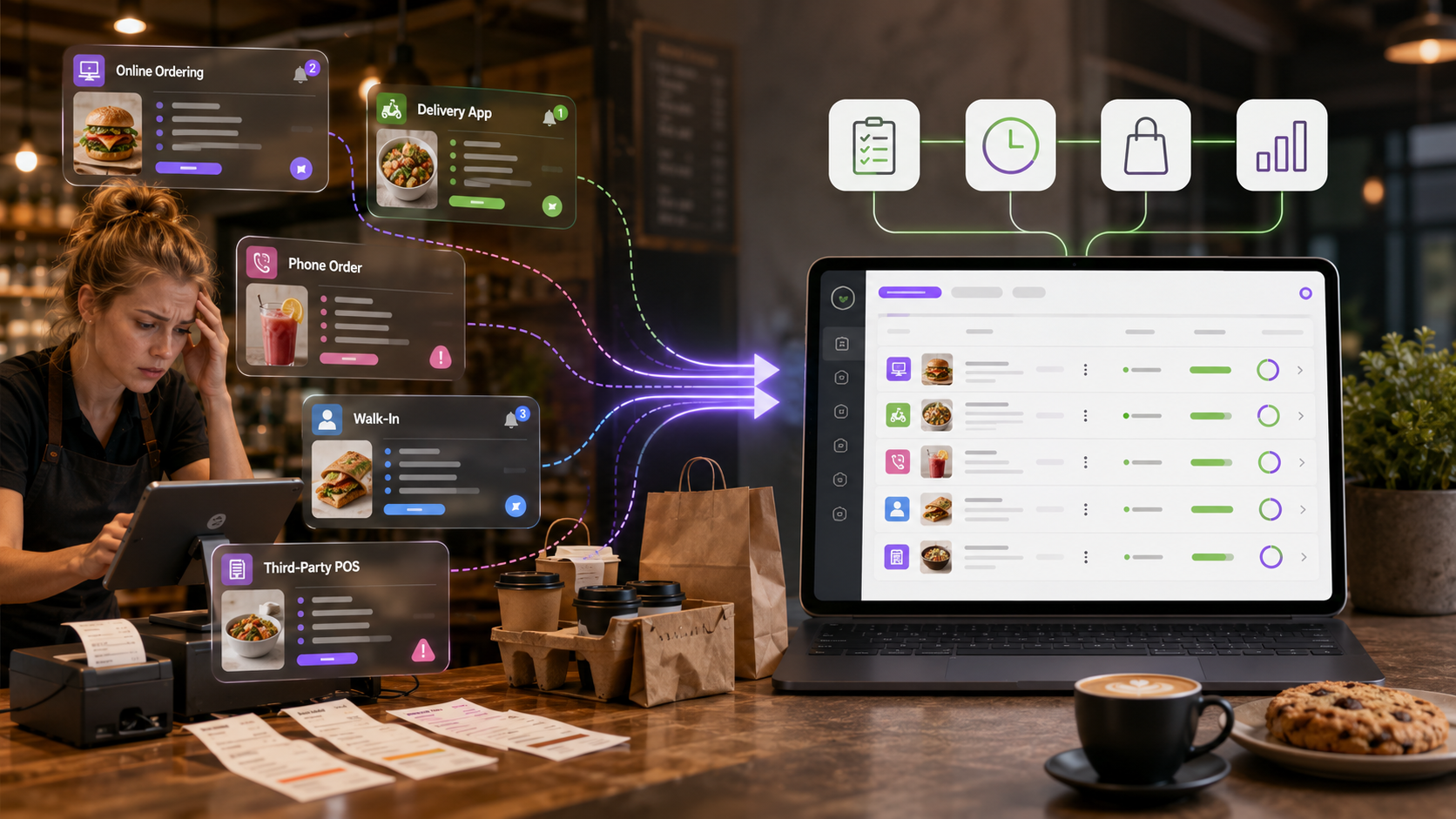
As sales channels multiply, a single restaurant might take orders from multiple third-party platforms, its own website, mobile ordering pages, and in-store POS systems. More channels mean more exposure and more orders—but they also mean more complexity.
Each channel has its own backend, its own devices, and its own workflows. Staff bounce between tabs, menu information gets updated in multiple places, and order status is scattered across screens. During peak hours, when orders pile up, the risk of missed special instructions, delayed confirmations, and manual entry errors spikes.
From a management perspective, fragmented orders make it nearly impossible to spot patterns. Are certain items consistently flagged as missing? Do multi-bag orders have a higher error rate? Is there a specific time of day when things go wrong? Are similar fulfillment issues showing up across different channels? Operators end up processing complaint after complaint without ever seeing the pattern beneath them.
What restaurants need is not more dashboards—it is a unified view of orders. When orders from every channel flow into a single operational environment, the team can see the source, contents, modifications, status, and fulfillment progress all in one place. Less toggling between systems, fewer opportunities for error.
Unified order management will not stop fraudulent complaints or eliminate every delivery issue. But it does reduce the information gaps inside the restaurant's own operation, helping operators distinguish between kitchen errors, fulfillment problems, and complaints that need a closer look. Consolidating orders from all channels into a unified system—and connecting that system to the POS and sales data—is becoming a critical step for restaurants looking to reduce system fragmentation.
3. Six Immediate Steps to Manage Delivery Risk
Order visibility requires the right technology, but reducing delivery disputes starts with consistent fulfillment processes. These six steps do not require changing sales channels—they help reduce real errors and preserve better records when disputes arise.
Standardize the packing checklist. Follow a fixed sequence: entrees, sides, drinks, sauces, and special requests. For large or heavily modified orders, add a second quality check to catch mistakes during the rush.
Label orders and bags clearly. Every package should show the order number, customer name, and other identifying info. For multi-bag orders, number each bag and double-check drink and side counts to reduce the chance of items being left behind.
Use tamper-evident packaging. Seals, security labels, or one-time fasteners make it clear that the order left the kitchen in good condition—reducing ambiguity about what happened after it left the store.
Keep fulfillment records for higher-risk orders. For high-value orders, multi-bag deliveries, large drink orders, or heavily customized items, consider taking a photo of the sealed bag, keeping the order ticket, or using fixed cameras to document packing and handoff. This is not about assuming bad intent—it is about giving the team something to reference when questions come up.
Confirm every handoff. When a driver picks up, staff should verify the order number, customer name, bag count, and drink count one more time. For multi-bag orders, clearly state the total number of bags to avoid anything being left behind.
Look for patterns in complaints. A single complaint tells an operator about one order. Long-term data tells them whether there is a pattern.
Restaurants should check regularly for recurring issues: which items get flagged most often, refund amounts, peak problem times, multi-bag order errors, and complaint differences across channels. When the same dish, the same shift, or the same order type keeps coming up, the root cause probably is not fraud—it is a menu description, a kitchen workflow, or a handoff process that needs adjustment.
These measures reduce fulfillment errors and give operators clearer documentation when things go wrong. But they still do not solve a deeper problem:
Do restaurants actually know who their customers are?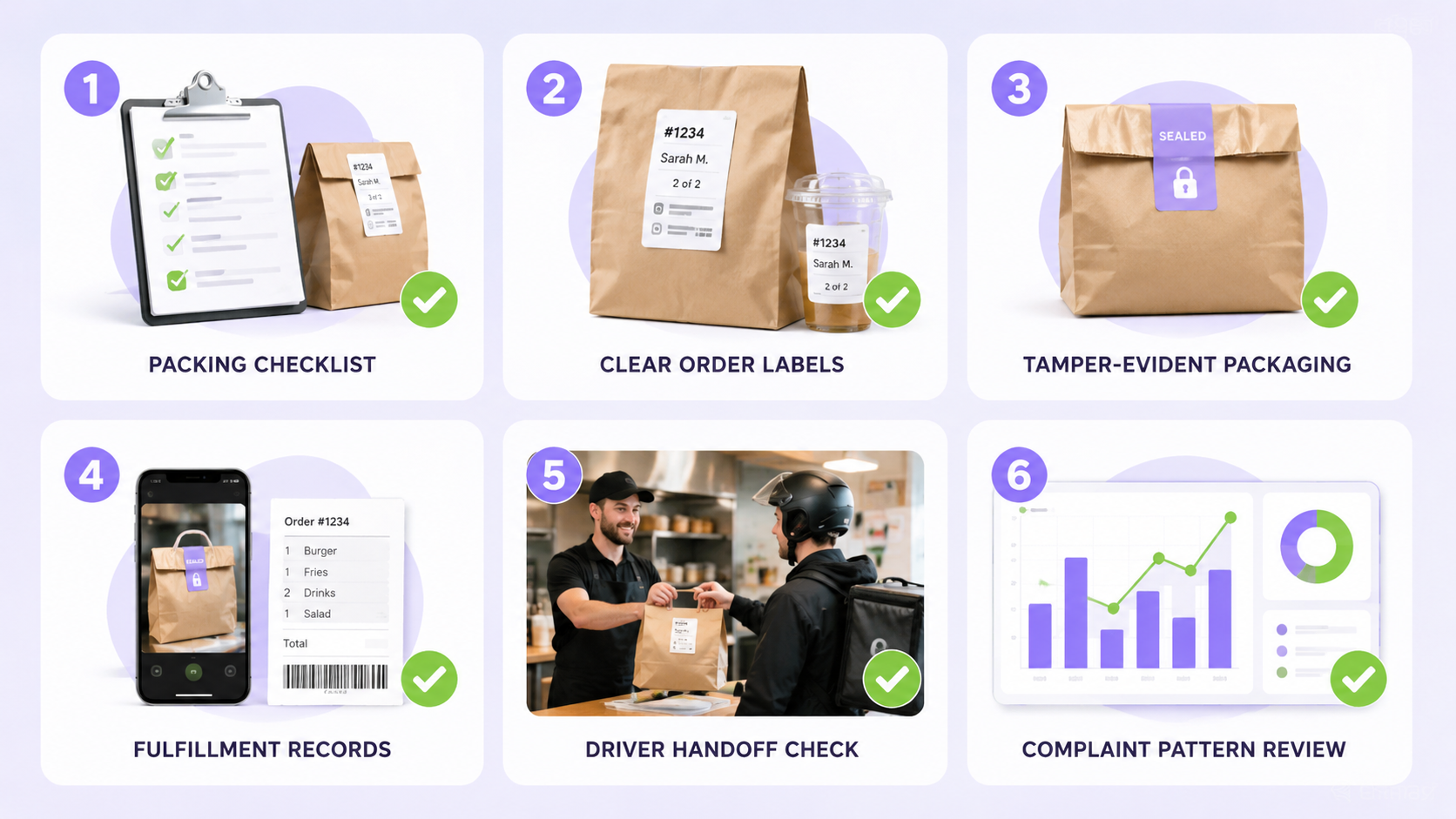
4. Why Optimizing the Kitchen Workflow Is Not Enough
Restaurants can improve their packing process. They can document exactly how orders leave the store. But if customer identities and order histories stay scattered across different channels, every refund they process is still a one-off event. Operators do not know whether the customer has ordered from them before, whether they have filed similar complaints in the past, or whether today's issue connects to something that happened earlier.
A proprietary ordering system does not change the delivery process itself—it changes how restaurants see their customer relationships.
When customers order through the restaurant's own channels, every transaction becomes part of a long-term record. Over time, operators build a clear picture of order frequency, purchase history, repeat items, and loyalty patterns. When an issue comes up, they have context.
Customer history turns isolated orders into relationships that operators can track over time. They are no longer looking at an order number—they are looking at a real customer with a real history, real preferences, and real long-term value.
And when a particular account consistently generates more than its share of issues, complete historical data gives operators something concrete to review.
To be clear: a proprietary ordering system is not an automatic fraud-detection tool, and complaint frequency alone should not determine how a restaurant treats a customer. What it does provide is a data foundation—so operators are not making decisions in a vacuum every time a complaint comes in.
5. What a Proprietary Ordering System Actually Delivers
Customer and order history that belongs to the restaurant
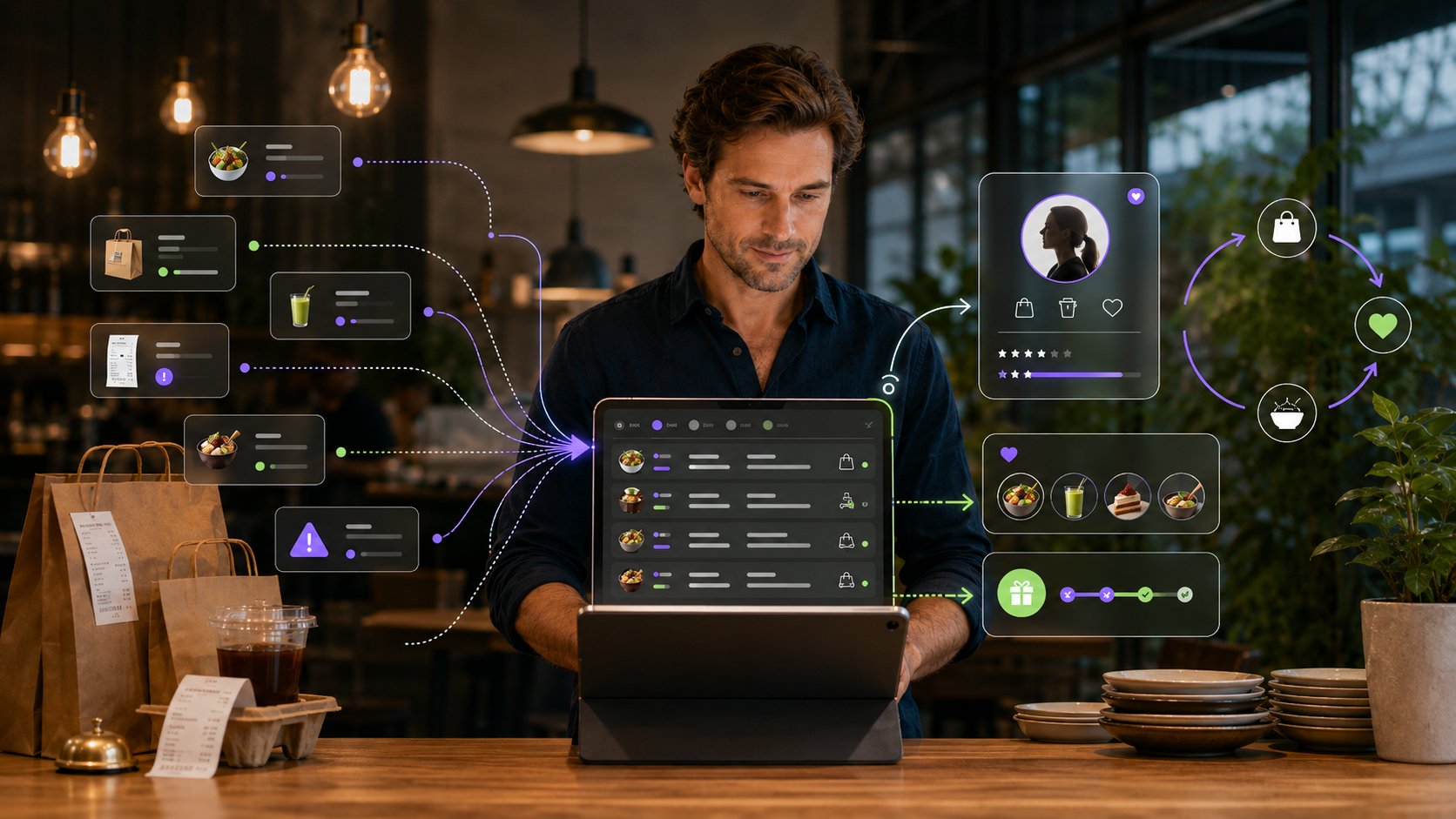
Every direct order becomes first-party customer data. Over time, operators can see order frequency, spending patterns, product preferences, repeat purchase behavior, and long-term customer value.
This information helps with more than just dispute resolution—it informs menu decisions, service improvements, and customer engagement strategies.
The value of a proprietary ordering system is not just reducing dependence on third-party platforms. It is making order data work for the business, not against it. When online ordering connects to the POS, loyalty program, and marketing tools, orders, customers, and repeat business become a single, integrated system.
Direct feedback and communication channels
Through their own channels, restaurants can design a clearer issue-reporting flow: ask customers for the order number, specify the problem type, identify the items in question, and upload photos when relevant. More complete information helps the team decide whether to resend items, issue a partial refund, offer store credit, or follow up directly.
The goal is not to make refunds harder—it is to make real problems easier to solve, while giving operators a better basis for handling cases where the information is unclear or needs verification.
Direct communication has customer-service value, too. A thoughtful, direct conversation often does more to repair a customer relationship than an automated refund ever could.
Long-term relationships through loyalty programs
A customer on a third-party platform might transact once and disappear. A proprietary loyalty program turns every purchase into accumulated value—points, rewards, tiers, birthday perks, and exclusive offers that give customers a reason to keep coming back.
Loyalty programs will not eliminate questionable complaints, and they should not be treated as fraud-prevention tools. But they do shift the relationship beyond a single transaction. As points and purchase records add up, customers have more reasons to stay engaged—and operators have better data to tailor rewards based on spending, visit frequency, product preferences, and channel behavior.
Order data that informs business decisions
Customer data is worth far more than risk assessment.
As order and customer records accumulate, restaurants can identify their most frequent repeat customers, their highest-value segments, customers who have not visited in a while, and which items and promotions are actually driving results.
Operators can start answering the important questions: which items drive repeat purchases? Which customers prefer delivery? Which marketing campaigns actually create long-term relationships? Who is worth re-engaging?
The real value of a proprietary ordering system is not just saving on platform fees. It is moving from passively processing orders to actively understanding customers, managing relationships, and increasing long-term customer value.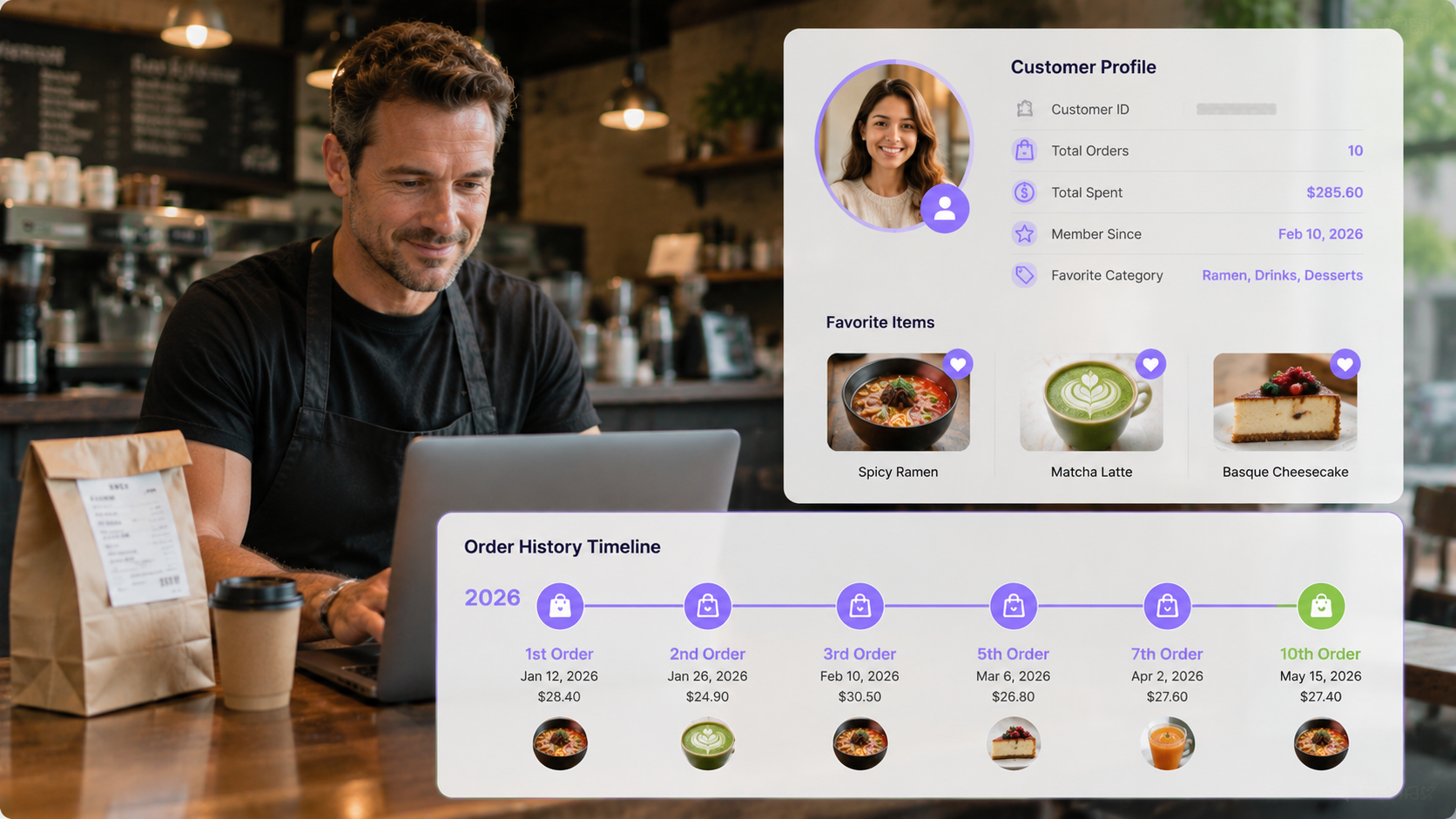
6. What a Proprietary System Will Not Fix
Building a proprietary ordering channel will not make every delivery dispute disappear.
Many problems still happen in the delivery chain—drivers forgetting drinks, grabbing the wrong bag, leaving the second bag behind, delivering to the wrong address, or damaging items in transit. Customer data cannot solve these.
That is why restaurants still need packing checklists, tamper-evident packaging, clear order labeling, handoff confirmations, and documentation where it counts.
A complete risk-management framework requires three capabilities working together:
Customer data helps restaurants understand who their customers are and how they behave over time.
Unified order visibility helps operators see how orders flow across every channel.
Fulfillment documentation helps stores record exactly what left the kitchen and when.
Each addresses a different part of the problem. All three need to work together.
7. Platforms for Discovery, Proprietary Channels for Retention
Building a proprietary ordering system does not mean abandoning third-party platforms overnight.
For many restaurants, platforms still serve an important purpose: they provide online visibility, introduce them to new customers, and lower the barrier for that first order.
The real risk is not using third-party platforms. It is letting them become the restaurant's only connection to online customers.
A more sustainable approach is to redefine what each channel does:
Third-party platforms help new customers find the restaurant.
Restaurants can continue using external channels to acquire new customers. At the same time, they can use their brand website, online ordering page, loyalty program, and in-store marketing to drive awareness of their own channels.
For repeat customers, the reasons to order direct do not have to be all about discounts. Consistent loyalty rewards, personalized offers, more direct customer service, and a unified purchase history all add real value over time.
As the proprietary channel matures, restaurants can increase the share of direct orders in their overall online business—reducing dependence on any single platform and gaining clearer visibility into customer relationships and operational data.
This is not an either/or choice between platforms and proprietary systems. It is about building a more balanced, more independent online presence.
Conclusion: The Goal Is Not Eliminating Disputes—It Is Reclaiming Control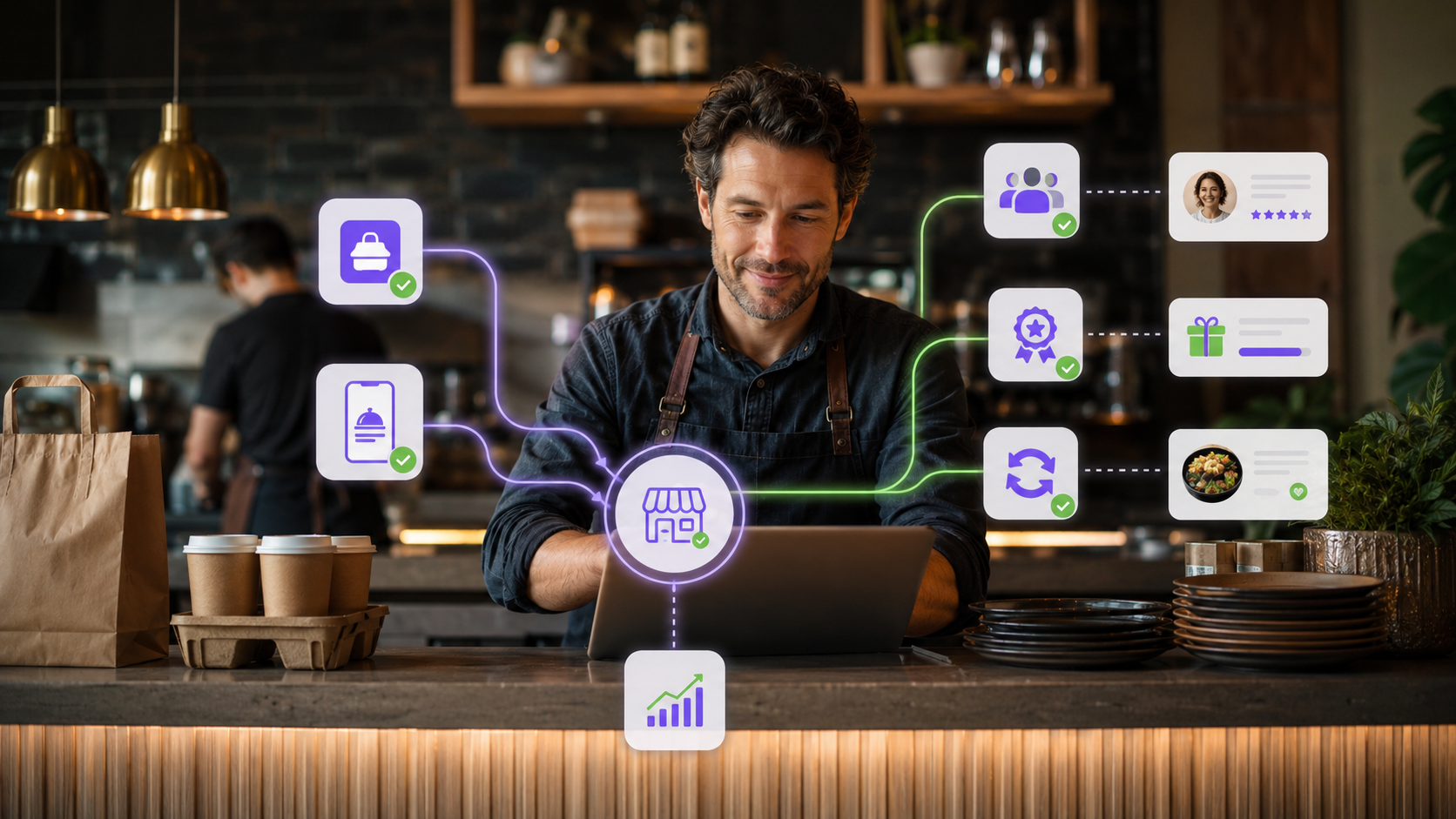
Delivery disputes will not disappear completely. Restaurants cannot control every stage of the delivery chain, nor can they guarantee that every complaint will be evaluated in exactly the same way.
What operators can do is take greater control of the parts of the experience that matter most: how orders enter the restaurant, how employees fulfill them, how activity across different channels is managed, and how the business identifies customers, understands their history, communicates directly, and develops long-term relationships.
Third-party channels can help restaurants reach new customers and generate new orders. An owned online ordering system helps the restaurant build customer data, loyalty relationships, and long-term operating value.
The value of direct ordering is not limited to reducing platform fees. More importantly, it helps restaurants move from reacting to individual orders and refunds toward understanding customer behavior, identifying long-term patterns, and building relationships they can continue to grow.
Platforms can help a restaurant get discovered. But an ordering channel the restaurant truly owns is what allows it to know its customers, bring them back, and take greater control of long-term growth.
In that process, Connexup connects third-party orders, direct online ordering, customer data, and loyalty engagement within a more unified operating environment. By reducing fragmentation across systems, Connexup helps restaurants build clearer, more sustainable customer relationships—so every order can become more than a transaction and contribute to stronger retention, deeper customer understanding, and greater control over future growth.