2026 U.S. Restaurant Trends: From Menu Innovation to Operational Agility
Connexup Team
May 8, 2026
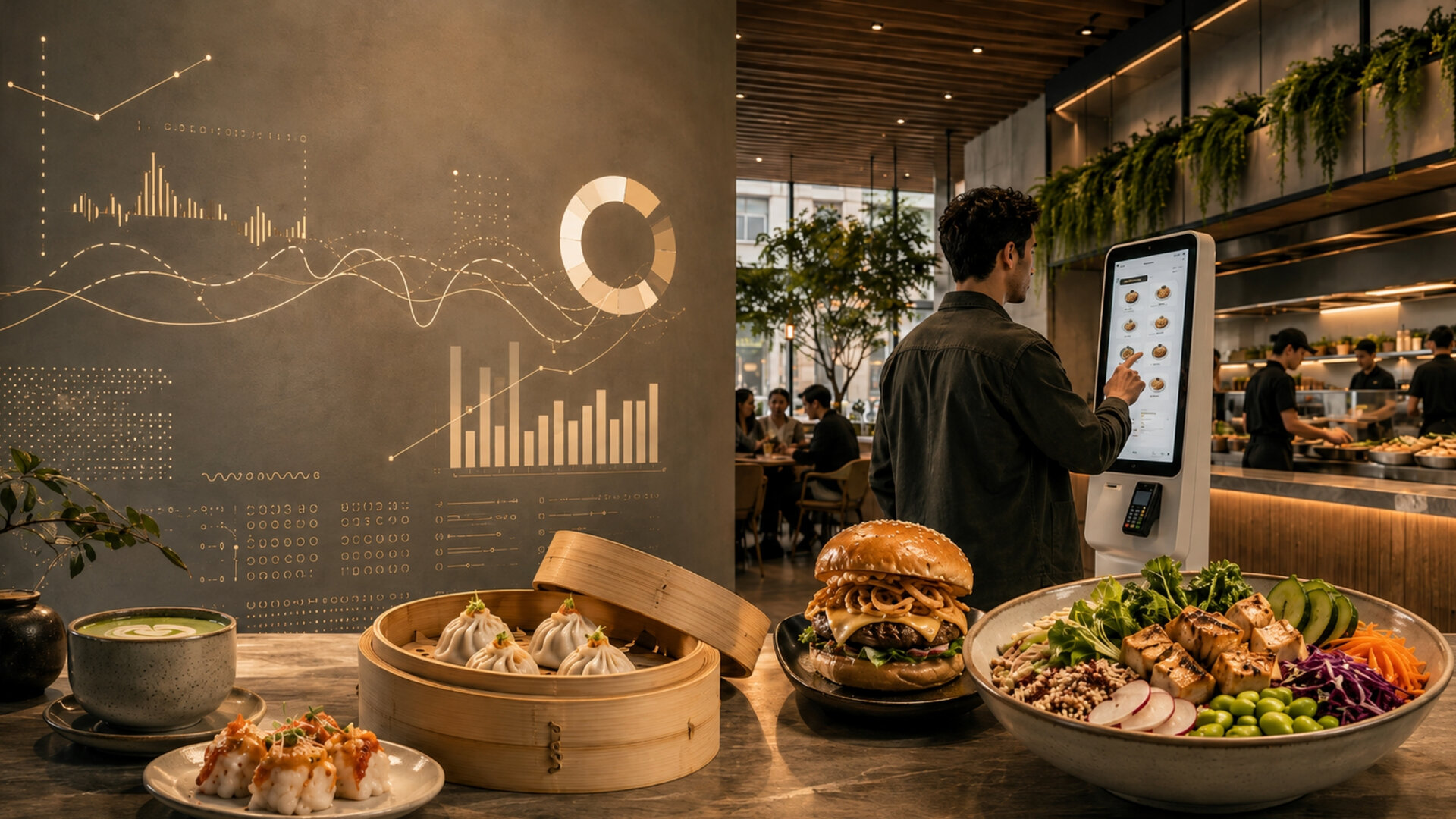
Trends are no longer just about what is on the plate. They are about how quickly restaurants can adapt menus, communicate value, personalize ordering, and deliver a smoother guest experience.
2026 is not just another year of menu trends. For restaurant operators, it is a year of balancing guest curiosity with margin pressure, health-conscious choices with indulgence, and operational efficiency with memorable hospitality.
The ACF 2026 Trends Report Companion highlights themes such as GLP-1s, gourmet comfort foods, snackable seafood, and meat resurgence, while the National Restaurant Association’s 2026 forecast points to comfort foods, value, global comfort foods, clear menu labeling, allergen-friendly menus, and proteins as add-ons. Together, these signals suggest a broader shift: guests want more choice, more clarity, and more relevance from the restaurants they visit.
For operators, the opportunity is not to chase every ingredient or format. It is to build a more adaptable business — one that can test new items, communicate value clearly, personalize ordering, and learn from guest behavior faster and understand where AI actually works in restaurants will have an advantage.
Section 1: Health Is No Longer a Category — It’s a Personal Expectation
Enhanced nutrition is not simply about adding a salad or offering a low-calorie section. In 2026, health is becoming more personal, functional, and specific.
Guests are looking for higher protein, more fiber, lower sugar, smaller portions, gut-health support, sustained energy, and meals that fit changing appetite patterns. “Healthy” can no longer be treated as one fixed menu category.
Sweetgreen is a strong example of how health is becoming more personalized. Its menu emphasizes customizable salads and bowls, nutrition information, and create-your-own options. Its collaboration with Function Health also introduced nutrient-focused bowls designed around wellness goals such as steady energy and micronutrient support.
CAVA shows a similar pattern from a Mediterranean fast-casual perspective. Guests can build bowls, pitas, and salads by choosing greens, grains, proteins, dips, toppings, and dressings. The value is not just that the food feels fresh; it is that the ordering structure gives guests control over what “better-for-me” means to them.
The operational takeaway is clear: health is now an ordering experience, not just a menu claim.
Restaurants need to think beyond “healthy item” versus “regular item.” Through web ordering, mobile apps, QR code ordering, or kiosks, operators can present modifiers, portion options, nutritional cues, and allergen information in a structured way. The goal is to make personalized choices easier to understand and execute.
The question is no longer, “Do we have a healthy option?” It is, “Can guests easily build the meal that feels right for them?”
Section 2: Nostalgia Is Coming Back — But with a Global and Premium Twist
Comfort food is not disappearing. In fact, it is becoming more important. But the strongest comfort food ideas in 2026 are not simply copies of the past. They combine familiarity with a reason to order again.
The National Restaurant Association lists comfort foods, value, smashed burgers, and global comfort foods among the top 2026 trends, reflecting a consumer mindset shaped by both emotional and financial pressure. Guests want food that feels satisfying, recognizable, and worth the money — but they also want freshness, story, and differentiation.
Chili’s is a useful example. Its “3 For Me” platform turns comfort food into a clear value structure: guests choose a beverage, starter, and main, with familiar items such as burgers and chicken sandwiches positioned as alternatives to fast-food value meals. The point is not only discounting. It is packaging familiar, craveable food in a way that communicates value immediately.
Din Tai Fung represents a more premium interpretation of nostalgia and comfort. Xiao long bao is familiar within Chinese and Taiwanese dining culture, but the brand turns it into a highly standardized experience. Its U.S. menu describes each Kurobuta Pork Xiao Long Bao as carefully weighed and folded by hand with its signature 18 folds.
The operational takeaway: nostalgia works best when it is structured. Restaurants can test upgraded classics, global comfort dishes, premium ingredients, or breakfast innovations through limited-time offers before fully committing to the menu.
The key is not to be trendy for the sake of novelty. The key is to use familiar formats as a foundation for controlled innovation.
Section 3: The Rise of Snackable, Flexible Dining
The 2026 restaurant opportunity is not limited to lunch and dinner. More growth may come from micro-occasions: a 3 p.m. snack, a light post-work meal, a tea pairing, a protein drink, or a small order between meetings.
Starbucks’ Pairings Menu reflects this logic. By pairing coffee or tea with a croissant or breakfast sandwich, the brand created a simple value structure around a lighter food-and-beverage occasion rather than a full meal. It gives guests an easy reason to order during a specific moment of the day.
Dutch Bros shows another version of flexible dining through protein coffee. Its Protein Coffee menu positions beverages as more than drinks: they become functional, snack-like options with protein, calcium, and zero-sugar-added variations. That makes the product relevant to guests looking for energy, convenience, and a lighter form of nutrition.
For operators, micro-occasions require more than adding smaller items. A snack menu needs smart bundling. A teatime menu needs time-based visibility. A small protein item needs pricing that protects margin. An afternoon offer needs enough visibility to change guest behavior.
This is where ordering channels matter. If a restaurant can show different menus by time of day, highlight add-ons, recommend pairings, or promote loyalty offers during slower hours, it becomes easier to turn micro-occasions into real revenue.
The operational question is not only, “What do we sell for lunch and dinner?” It is also, “What reason can we give guests to order when they were not already planning to?”
Section 4: Experience Is Becoming More Multisensory — and More Digital
Experience is becoming more multisensory, but it is also becoming more digital. Restaurants are using texture, aroma, color, temperature, presentation, and technology to make the guest journey more memorable and easier to navigate.
Kura Revolving Sushi Bar is a strong example of how sensory and digital experiences can work together. Guests can discover dishes from the revolving bar or order through a touchpad, while the brand’s plate-tracking technology supports freshness and adds a sense of movement, choice, and interaction to the meal.
But experience does not begin when the food arrives. It begins when the guest reads the menu, compares options, looks for allergens, chooses modifiers, places an order, and decides whether to return.
This is why clear menu labeling and allergen-friendly information matter. Noodles & Company offers a Nutrition, Allergen & Dietary Lifestyle Calculator that helps guests view nutritional information and filter menu items based on dietary needs or customization preferences. That kind of clarity can reduce hesitation and make choice feel easier.
If a guest cannot understand the menu, identify allergens, customize a dish, or complete an order smoothly, the experience has already weakened — even if the food is excellent.
For operators, digital experience should be treated as part of brand experience. QR code ordering, web ordering, kiosks, mobile apps, and loyalty programs are not just transaction tools. They shape how guests perceive the restaurant’s organization, transparency, and attention to detail.
Section 5: What Operators Should Do Next
The most practical response to 2026 restaurant trends is not to rebuild the business around predictions. It is to create a more flexible operating model.
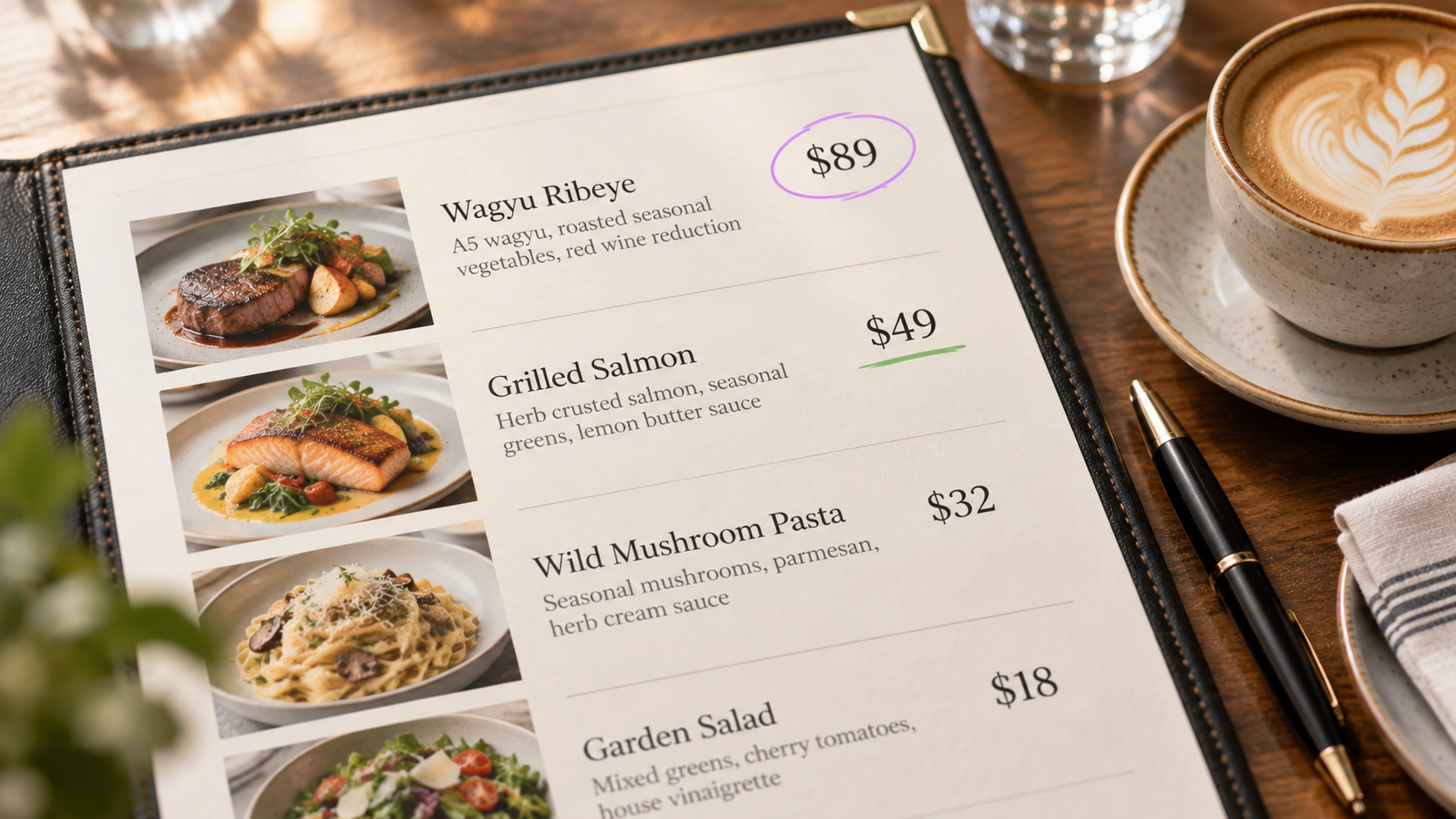
First, audit the menu for flexibility. Operators should identify which items can be customized, resized, bundled, upgraded, or tested as limited-time offers. In practice, that often requires rethinking how menus are structured, merchandised, and priced — not just what dishes are added. Restaurants looking to improve profitability without overcomplicating operations are increasingly revisiting how they design menus for profitability and performance in the first place.
Second, make health cues easy to understand. Guests should not have to guess which items are higher in protein, lower in sugar, lighter, plant-forward, allergen-friendly, or portion-conscious. Simple icons, short labels, modifier prompts, ingredient notes, and menu filters can reduce friction.
Third, test new flavors before fully committing. Instead of making every trend a permanent menu change, restaurants can use limited-time offers, seasonal items, or digital-only tests to understand guest response with less operational risk.
Fourth, think beyond lunch and dinner. Micro-occasions can help fill slower hours, but they need clear positioning. Operators should consider which items make sense for afternoon orders, lighter meals, snackable bundles, or smaller group occasions.
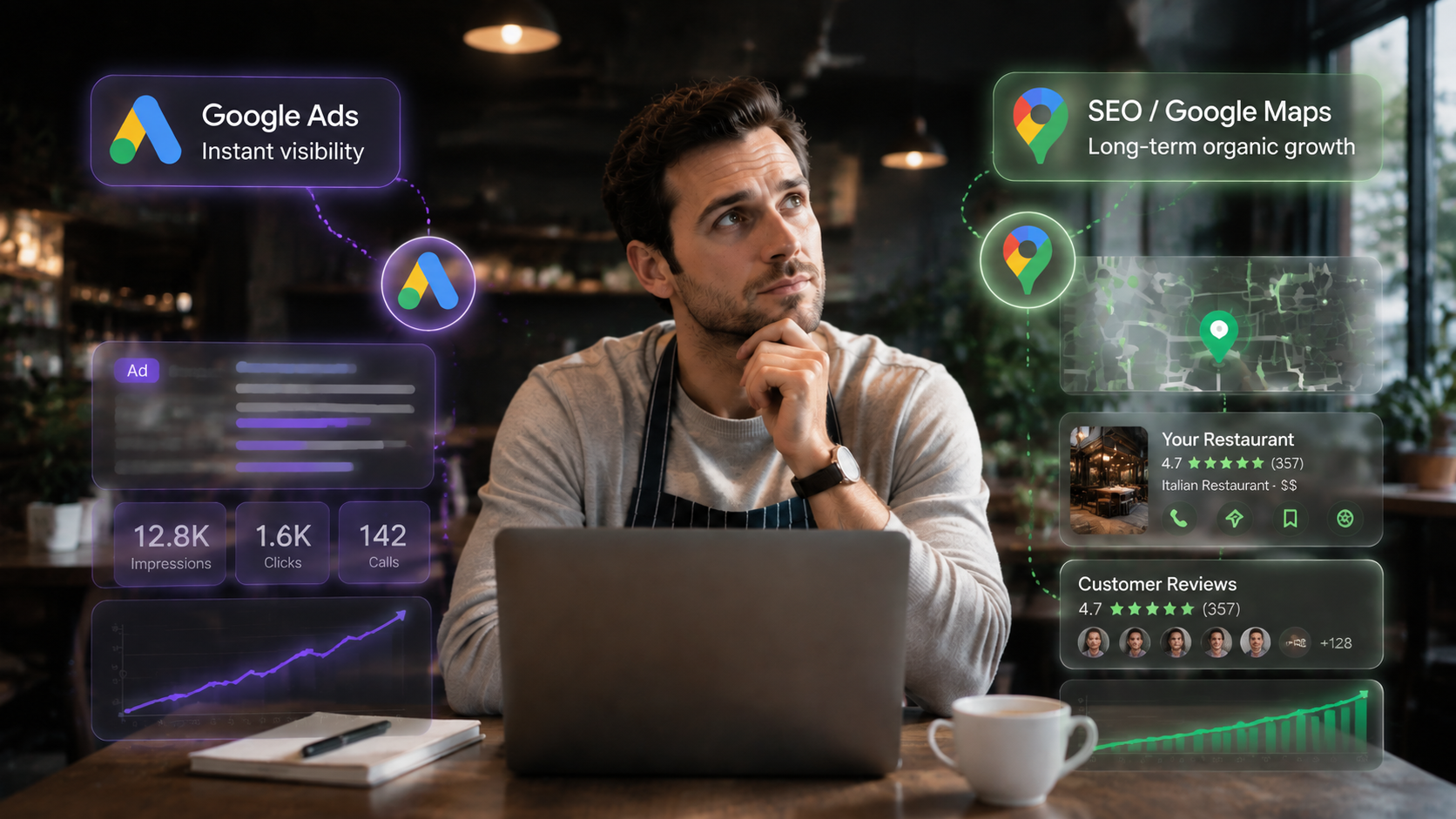
Finally, use digital touchpoints to learn faster. Ordering data, loyalty behavior, modifier choices, skipped items, repeat purchases, and time-of-day demand can help operators understand which trends are actually working. As AI tools become more practical for restaurant operations, many operators are shifting focus from hype toward measurable use cases such as menu optimization, personalization, and operational forecasting. We explored this shift further in how AI is actually being applied in restaurant operations today.
This is also where menu intelligence becomes useful. For example, Connexup’s AI Menu Optimizer is designed to help restaurants see where guests hesitate, skip items, or miss high-value choices — turning everyday ordering behavior into practical signals for menu structure, merchandising, and pricing decisions.
The strongest operators in 2026 will not be the ones that follow every trend. They will be the ones that can learn faster than the market changes.
Conclusion
The 2026 U.S. restaurant trends are not just about what guests want to eat. They are about how guests want to choose, customize, experience, and return.
Health is becoming personal. Comfort food is becoming more global and value-driven. Dining occasions are becoming smaller and more flexible. Experience is becoming both multisensory and digital.
For operators, the strongest response is not to chase every new ingredient or viral dish. It is to build the operational agility to test ideas, communicate value clearly, and adapt when guest behavior changes.
At Connexup, we see these trends as more than menu ideas. They point to a larger shift toward flexible, data-informed restaurant operations. As guests expect more personalization, clearer choices, and smoother ordering experiences, the right digital tools can help restaurants respond faster — while keeping hospitality at the center of the experience.
The next major restaurant trend may not be a single dish. It may be the ability to move faster, learn smarter, and serve guests with more clarity.