6 Google Business Profile Essentials to Boost Local Visibility and Restaurant Orders
Connexup Team
Aug 14, 2026
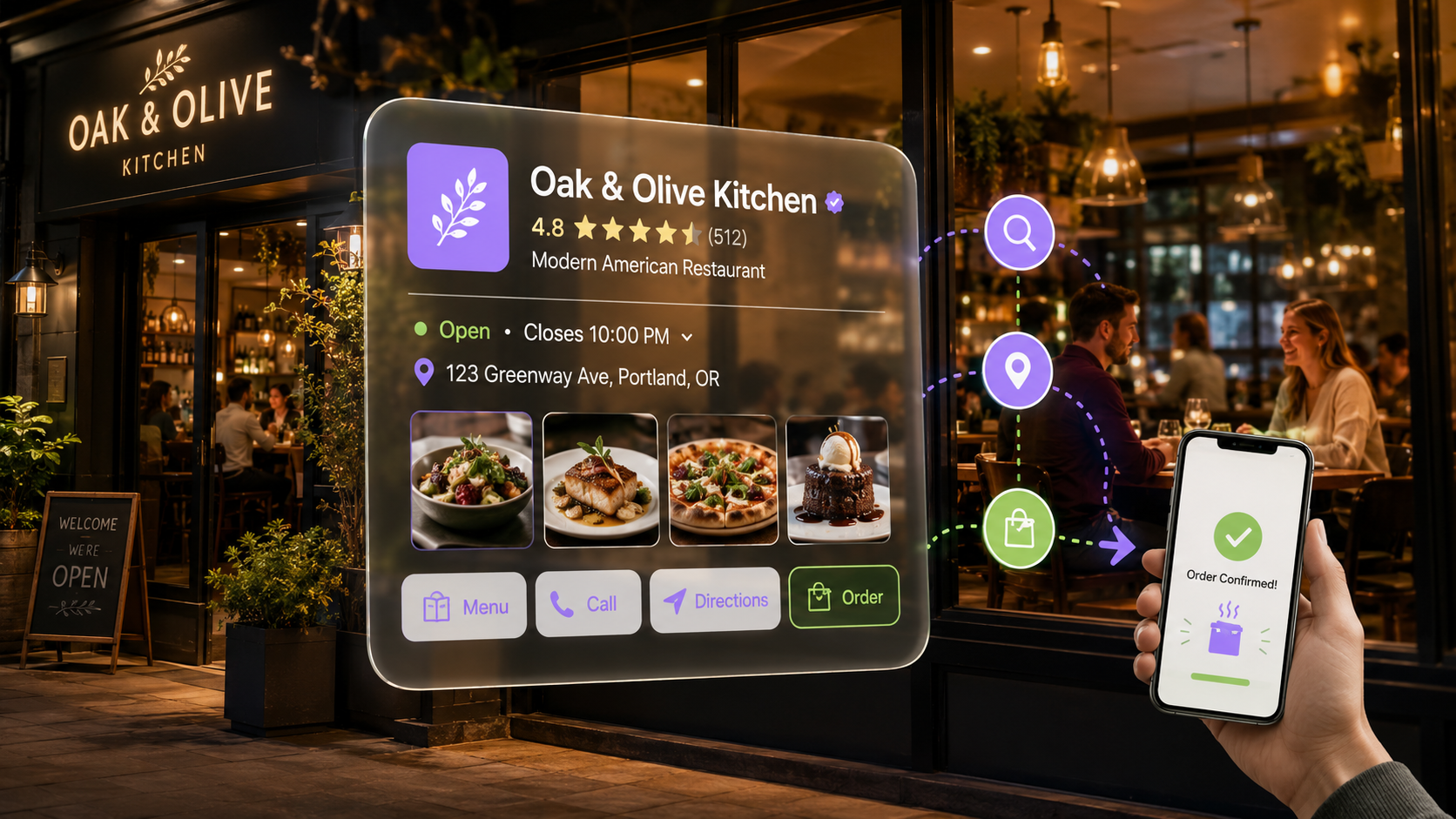
For many potential customers, the first time they "see" your restaurant is not when they walk past your storefront—or even when they visit your website. It is on Google.
Someone searches "Italian restaurant near me," "Thai food open now," or "best sushi nearby," and within seconds Google shows them restaurant names, ratings, hours, photos, menus, locations, and website links. They may know nothing about your brand and may never have seen your full menu, but they are already making a decision:
Is this place worth trying?
In that sense, your Google Business Profile is your restaurant’s digital storefront.
Just as signage, window displays, menus, and atmosphere influence whether someone walks into a physical restaurant, your Google presence shapes whether a local diner clicks, calls, gets directions, places an order, or simply moves on.
That is why Google Business Profile optimization is not just about completing every available field. It is about making your restaurant easier to find, easier to understand, easier to trust, and easier to choose.
Here are six areas restaurant operators should prioritize.
1. Make It Easy for Google to Understand What Kind of Restaurant You Are
Before adding more photos or worrying about rankings, make sure the basics are clear.
Your restaurant name, address, phone number, website, regular hours, and holiday hours should all be accurate and consistent across Google and your other major online channels.
For diners, these details answer practical questions: Where are you? Are you open today? When do you close? How can I contact you?
For Google, they help establish who your business is, where it is located, and what it offers.
Local search visibility is generally influenced by three core factors:
Relevance: How closely your restaurant matches what someone is searching for
Distance: How far your location is from the searcher
Prominence and trust: Signals that help Google understand how established and credible your business is
You cannot do much about distance. But you can make it easier for Google to understand your restaurant through accurate categories, complete information, a clear menu, and a steady flow of genuine customer reviews.
Your primary business category is especially important.
If you run an Italian restaurant, choosing a broad category such as "Restaurant" tells Google far less than "Italian Restaurant." Your primary category should describe your core business as precisely as possible, while secondary categories should only reflect services you genuinely offer.
Before asking, "How do I rank higher?" start with a simpler question:
Can Google—and someone discovering you for the first time—immediately understand what kind of restaurant you are?
2. Treat Your Photos Like an Online Storefront Window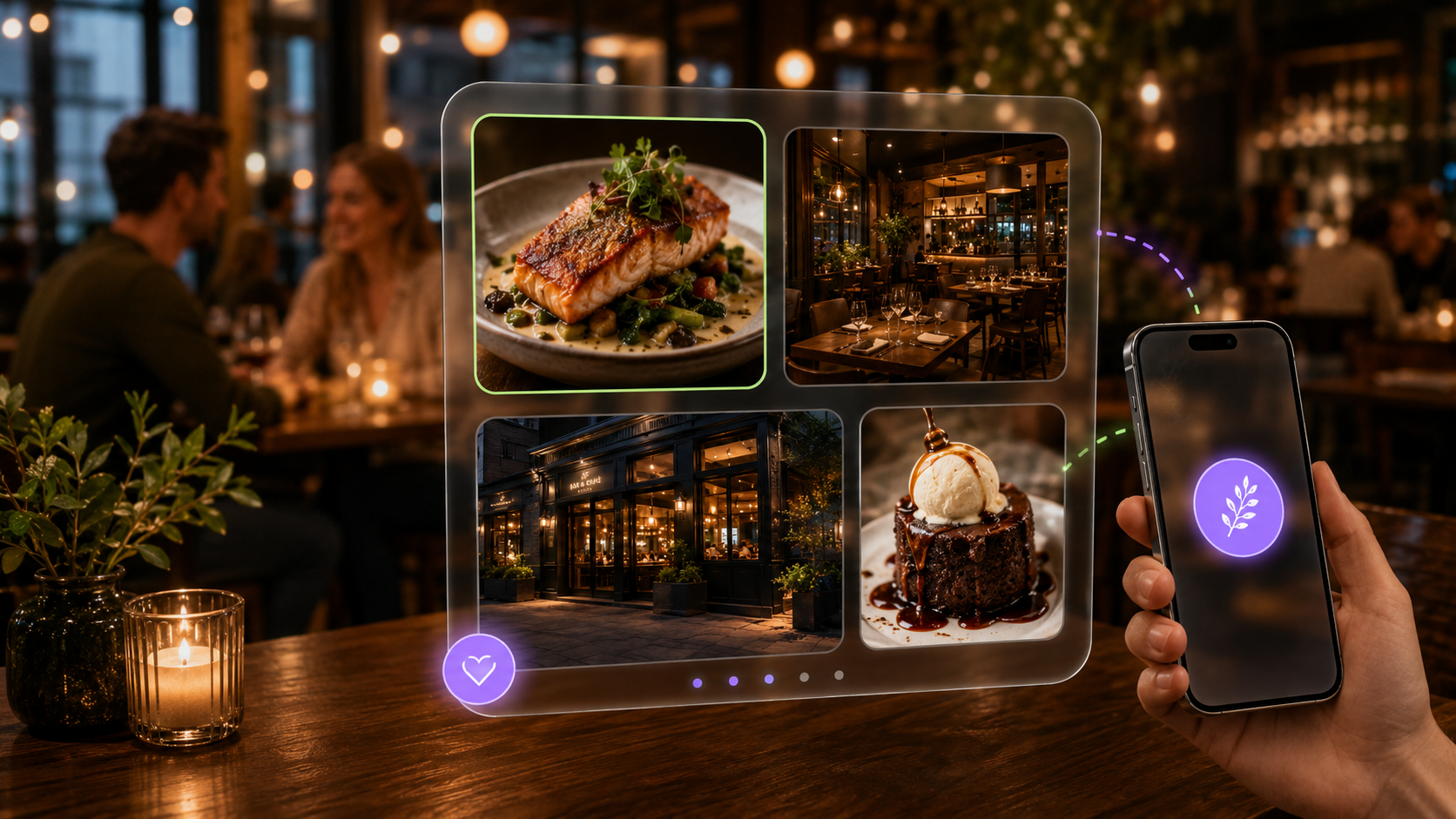
If your Google Business Profile is your digital storefront, your photos are the window display.
The issue for many restaurants is not that they have no photos. It is that the photos are outdated, inconsistent, or simply do not show the restaurant at its best. Old dishes, blurry interiors, and products that are no longer available may technically fill a gallery, but they do little to help today’s diners make a decision.
Instead, think about the questions customers are trying to answer:
Food: What are the signature or most popular dishes, and what do they actually look like?
Interior: Is this better for a date, a family dinner, or a night out with friends?
Exterior: Will I recognize the restaurant when I arrive?
Drinks, desserts, and experiences: Is there something here worth making the trip for?
Authentic photos of your storefront, dining room, food, drinks, team, and menu help diners form a realistic expectation before they visit. Short videos and 360-degree imagery can add another layer by showing food preparation, atmosphere, events, or the overall dining experience.
The goal is not to hit a monthly photo quota.
A better question is:
Would this photo help someone who has never visited us decide whether they want to come?
If the answer is yes, it is doing its job.
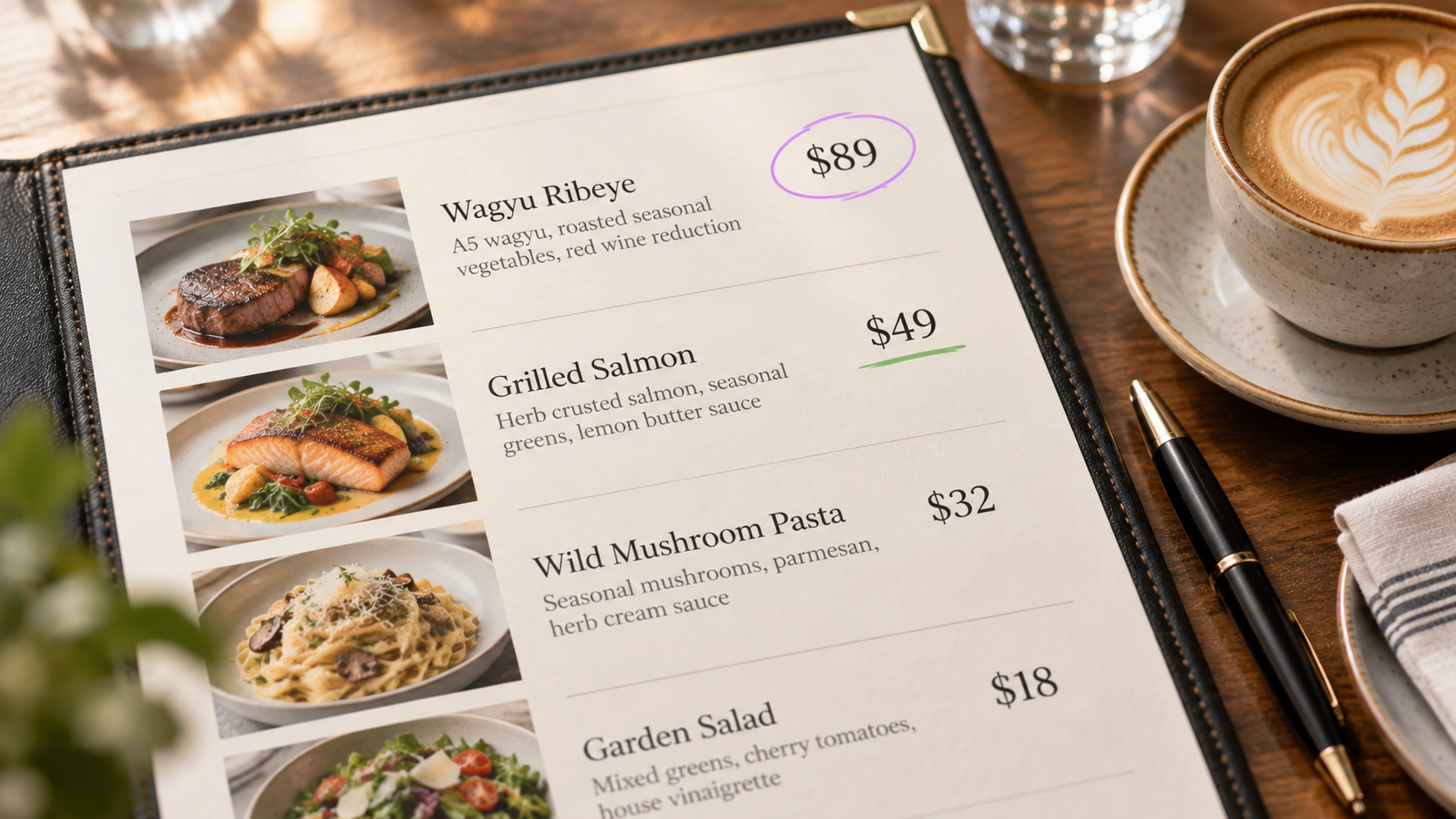
3. Turn Your Menu Into Searchable Business Information
Your menu is not only something customers look at when they are ready to order. It is also one of the clearest ways for Google to understand what your restaurant actually sells.
A months-old PDF, a menu image that is difficult to read on mobile, or a broken link may technically mean you "have a menu online," but it creates friction for both diners and search platforms.
Where possible, make menu information clear and structured. Include:
Menu sections
Dish names
Useful descriptions
Current prices
Relevant dietary information, such as vegetarian or gluten-free options
This matters because people do not always search at the category level.
A diner may search "Thai restaurant near me," but they may also search for "vegan Thai food," "spicy ramen," or even a specific dish. The clearer your menu information is, the easier it becomes for Google to connect your restaurant with more specific dining intent.
Your business description should follow the same principle. There is no need to pack it with awkward keywords. Instead, answer three straightforward questions:
What kind of restaurant are you?
What do you primarily serve?
Where are you located?
From there, add your signature dishes, standout experiences, or relevant services.
Put simply, your menu tells diners what they can eat, while your business description helps them understand what kind of restaurant you are.
This is becoming even more important as Google uses AI to organize and surface business information. Details from your website, reviews, menu, business description, and services can all help shape how Google answers questions about your restaurant.
The more clearly that information is written—and the more consistently it is maintained—the easier it is for both Google and potential customers to understand your business.
4. Use Real Reviews to Build Trust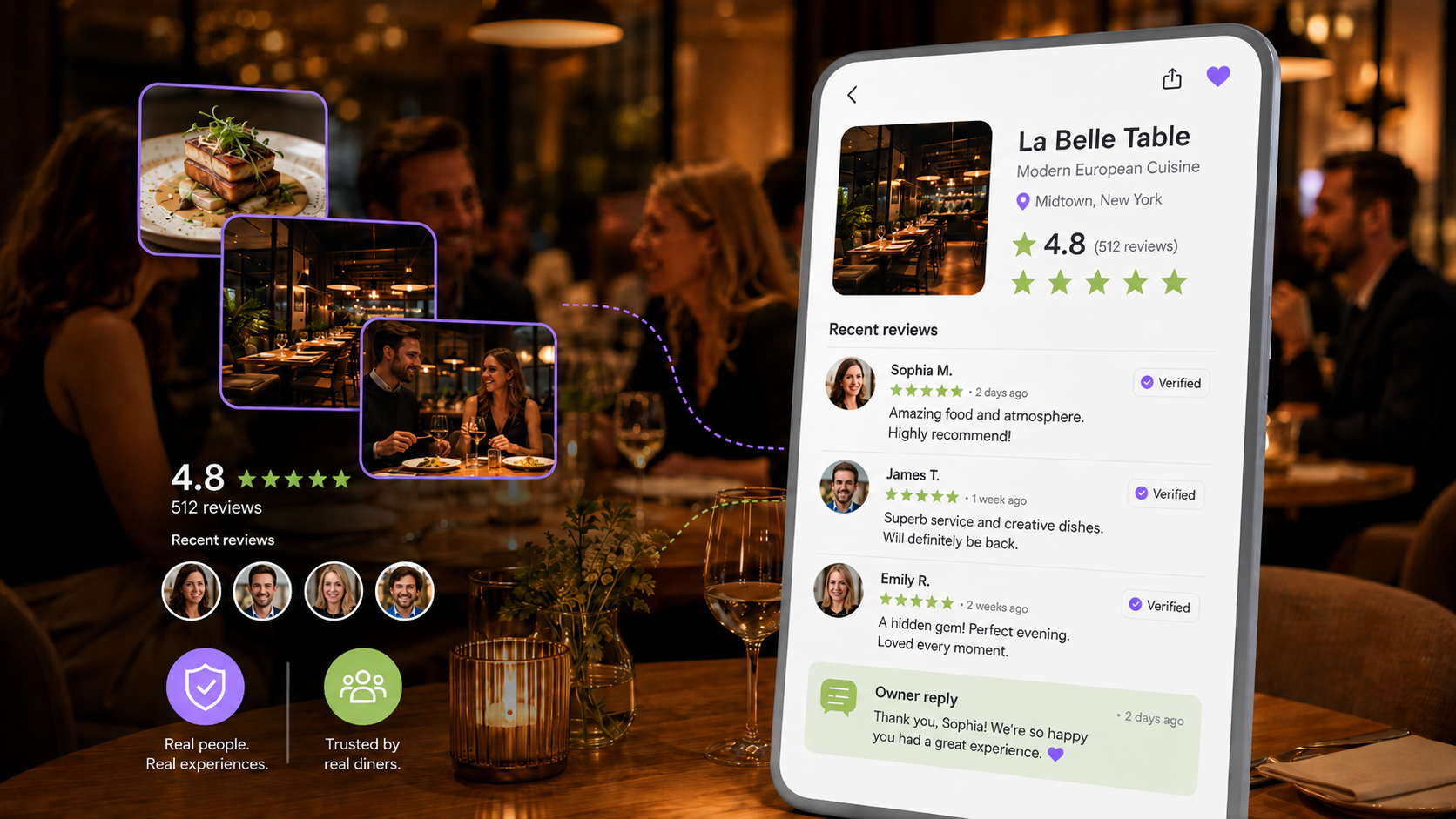
Beautiful food photography can get someone interested. Reviews often determine whether that interest turns into a decision.
When several nearby restaurants have similar ratings and locations, diners tend to look deeper. They check recent reviews, customer-uploaded photos, recurring comments about food or service, and how the restaurant responds to feedback.
Photos show diners what to expect. Reviews tell them whether they should trust those expectations.
That is why review management should not begin only when a negative review appears. A strong review presence means paying attention to more than the average star rating:
Are genuine new reviews coming in consistently?
Which dishes or experiences are mentioned repeatedly?
Are both positive and negative reviews receiving thoughtful responses?
Are the same problems appearing across multiple reviews?
Recent reviews matter in particular. A restaurant that received hundreds of reviews years ago but has been quiet ever since can feel very different from one that continues to receive genuine customer feedback today.
From a diner’s perspective, recent comments answer an important question:
What is this restaurant like now?
That does not mean offering discounts or incentives in exchange for five-star reviews. A healthier approach is to make it easy for real customers to share honest feedback after a genuine dining experience—and to respond to that feedback with the same level of care you would show a guest in person.
The logic is simple:
Visibility gets you considered. Trust gets you chosen.
5. Do Not Make Diners Search for How to Order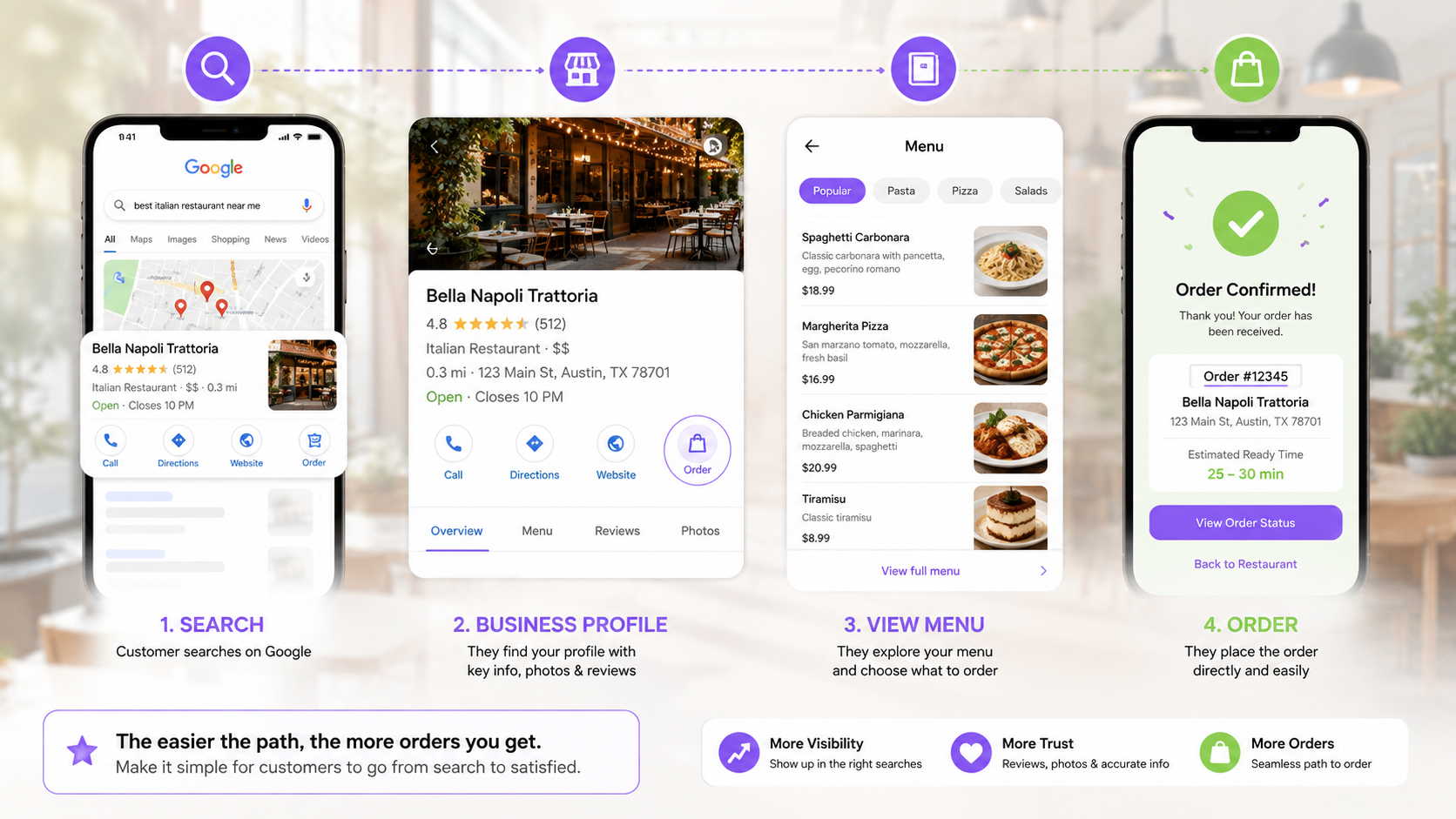
Imagine a customer has already looked through your photos, read the reviews, and decided the menu looks good.
Now there is only one step left: reserve a table, place an order, or head to the restaurant.
This is where unnecessary friction can undo all the work that came before.
If the customer has to open your homepage, search again for the menu, jump to another site, select the location again, and re-check whether the restaurant is open before they can order, some of that initial intent will disappear along the way.
A strong Google Business Profile should not only showcase your restaurant. It should guide diners naturally to the next step.
Depending on your business, make sure links for your website, menu, online ordering, reservations, pickup, and other key actions are easy to find and working properly.
The ideal path is simple:
Google Search → Restaurant Profile → Menu or Ordering → Checkout
This matters even more because so many local restaurant searches happen on mobile. Slow-loading websites, hard-to-read menus, and hidden order buttons create unnecessary reasons for diners to leave.
So the value of Google Business Profile optimization should not be measured only by profile views.
The real goal is to shorten the distance between "I found this restaurant on Google" and "I am ready to order or visit."
Search should not be the end of the customer journey. It should be the beginning.
6. Keep Your Digital Storefront Looking Like Your Restaurant Today
A physical restaurant would not leave six-month-old opening hours on the door or display dishes that are no longer available.
Your digital storefront should not either.
Hours change. Menus rotate. Prices get updated. Seasonal dishes, promotions, and events come and go. If customers find outdated information on Google, even a successful search can end with confusion or lost trust.
The good news is that keeping your profile current does not need to become another full-time job. A simple maintenance rhythm can go a long way:
Weekly: Check new reviews, add recent photos, and publish relevant restaurant updates when needed.
Monthly: Review menu information, pricing, opening hours, website links, and ordering links.
Quarterly: Revisit your business categories, confirm core business information is consistent, and refresh seasonal content.
Attributes such as takeout, delivery, outdoor seating, accessibility, Wi-Fi, live music, or pet-friendly options should also reflect what your restaurant genuinely offers. These details can help diners decide whether your restaurant fits their needs before they ever visit.
Google updates can also support promotions, new dishes, events, and holiday hours. You do not necessarily need to create an entirely separate content strategy for Google. If you are already publishing seasonal menus, new dishes, or restaurant events on Instagram or Facebook, the most relevant updates can often be repurposed for Google as well.
The point is not to update your profile simply to "stay active."
It is to make sure that whenever someone finds your restaurant, they are seeing the restaurant you are operating today.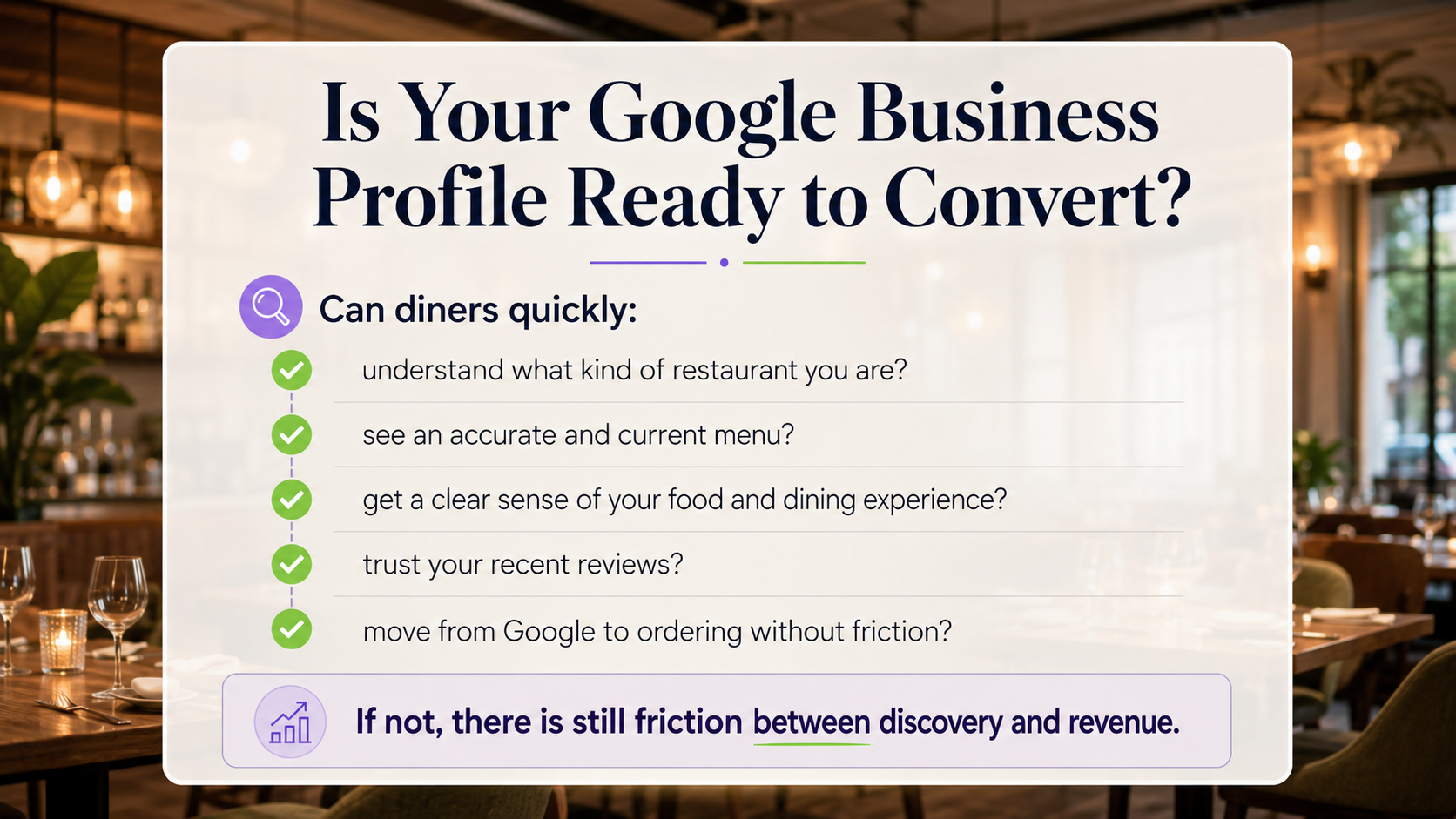
After Optimizing, Do Not Look at Rankings Alone
After improving a Google Business Profile, many operators immediately search their target keywords to see whether rankings have changed.
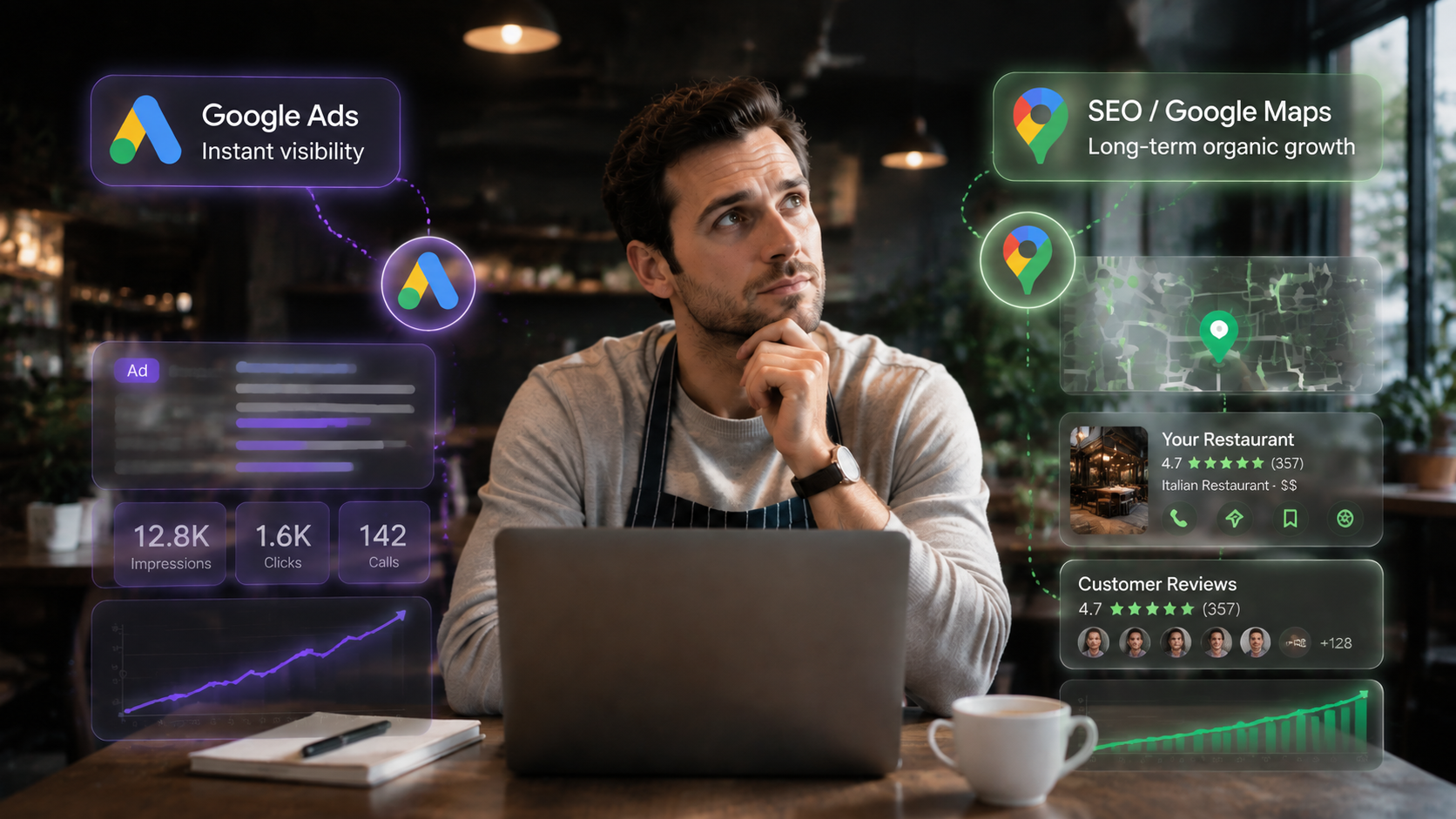
Rankings matter—but if the goal is to drive real restaurant business, customer actions matter more.
Look at signals that sit closer to actual intent:
Profile views and interactions
Website clicks
Direction requests
Search terms customers use to find you
Menu, phone, reservation, and other action clicks
These numbers tell you more than a single ranking snapshot.
A useful example is Choice Brooklyn, a Connexup Local SEO case study. After optimization, the restaurant saw a 47.5% increase in Google direction requests.
That matters because a direction request is more than an impression. It suggests that someone has moved from simply seeing the restaurant to actively considering a visit.
Good local SEO does not just help more people see your restaurant. It helps more people take a real step toward becoming customers.
Google Business Profile Optimization Is Really About Shortening the Path from Search to Sale
A Google Business Profile is more than a digital business card on Google Maps.
When it works well, it helps someone who has never heard of your restaurant move naturally through the decision-making process: understand what you serve, see what the experience looks like, build trust through reviews, and then take the next step—whether that means getting directions, making a reservation, or placing an order.
The goal is not simply to complete every field or chase a higher ranking. It is to make the entire journey easier:
Get discovered. Build interest. Earn trust. Make action effortless.
Your Google Business Profile may be your restaurant’s digital storefront, but its real value lies in what happens after a customer arrives there.
That is also why Local SEO should not operate in isolation. When your Google presence, website, menu, reviews, and online ordering experience work together, search visibility becomes more than exposure—it becomes a clearer path to acquisition and conversion.
Helping customers find you is the first step. Giving them a reason to choose you—and an easy way to act—is where growth begins.
Keeping all of those pieces current, however, takes time. Connexup brings Local SEO, reputation management, website and ordering experiences, and performance insights into one restaurant growth platform—helping operators spend less time managing disconnected digital tasks and more time running the restaurant.
Not sure where your local search presence stands today? Connexup can also help assess your restaurant’s Local SEO performance and identify the areas worth improving first.