Loyalty Points vs Discounts: How Restaurants Can Drive Repeat Visits Without Training Guests to Wait for Deals
Connexup Team
Jun 5, 2026
Most restaurant operators have run this experiment at least once: launch a limited-time discount, watch traffic spike for a week, and then watch it quietly fade the moment the promotion ends — taking most of those new guests with it.
For many operators, discounts are not a lazy tactic. They are often a practical response to slow days, rising costs, and competitive pressure.
But the question worth asking is whether the incentive actually changed anything. Did it generate more visits, a higher average order value, or more direct orders — or did it shift existing spending around while quietly eroding margins in the process?
Discounts and loyalty points serve different purposes, carry different risks, and require different conditions to work. Getting that distinction right is one of the most underestimated decisions in restaurant operations. To make the right call, restaurants need to understand what each incentive is designed to do — and what it can cost when used without a clear strategy.
Discounts Are Useful, But They Should Not Become the Default
Let's start with the honest case for discounts: they work. A well-timed offer can fill tables during off-peak hours, give first-time guests a low-stakes reason to try your restaurant, and create urgency around a new menu item. For short-term, targeted goals, a discount is one of the fastest levers available.
The problem is not the tool. The problem is what happens when discounts become the default.
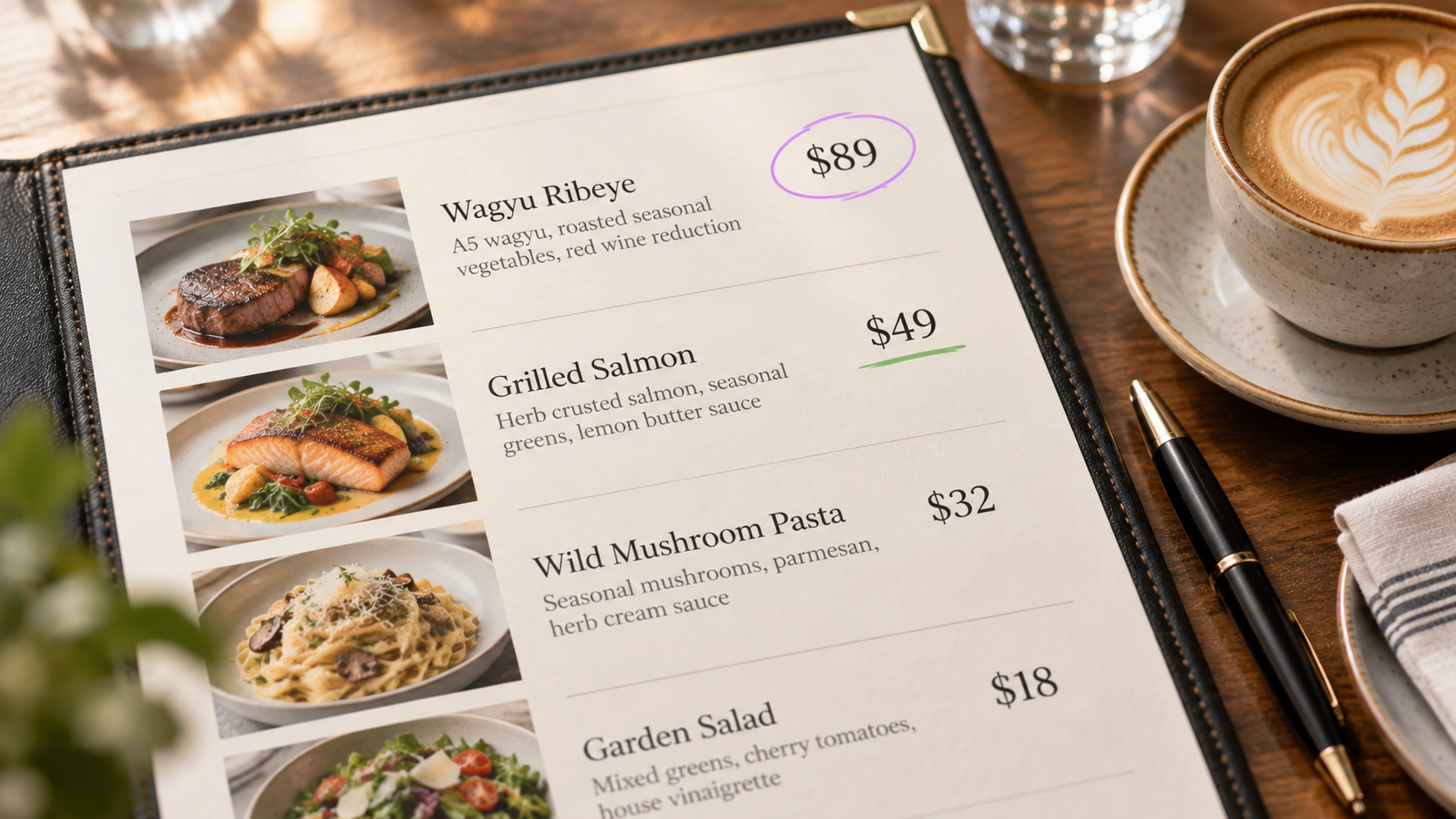
Margin erosion starts quietly. If your average check is $35 and you're running 20% off, that's $7 per order absorbed before covering food cost, labor, and overhead. The more useful question is: how many of those guests would have ordered at full price anyway? If a meaningful portion of discount-redeemers are existing customers who visit regularly, you're not acquiring new revenue — you're discounting existing revenue.
Frequent public promotions can gradually train guests to see the regular price as less attractive. Once guests associate your brand with "always has a deal," they start waiting for the next one rather than deciding at full price. When discounts become publicly visible and always-on, they can gradually limit how much value guests are willing to attach to the brand.
Discount-driven traffic can often be more price-sensitive. Guests whose primary motivation is price typically have shorter relationships with a restaurant, and the acquisition cost may outweigh the long-term value they create.
This doesn't mean discounts have no place in a restaurant's strategy. It means they work best as a precision tool: time-limited, targeted to a specific audience segment, deployed for a specific purpose, and turned off once that purpose is achieved.
A discount should be a controlled traffic lever, not a default retention strategy.
Loyalty Points Only Work When They Change Customer Behavior
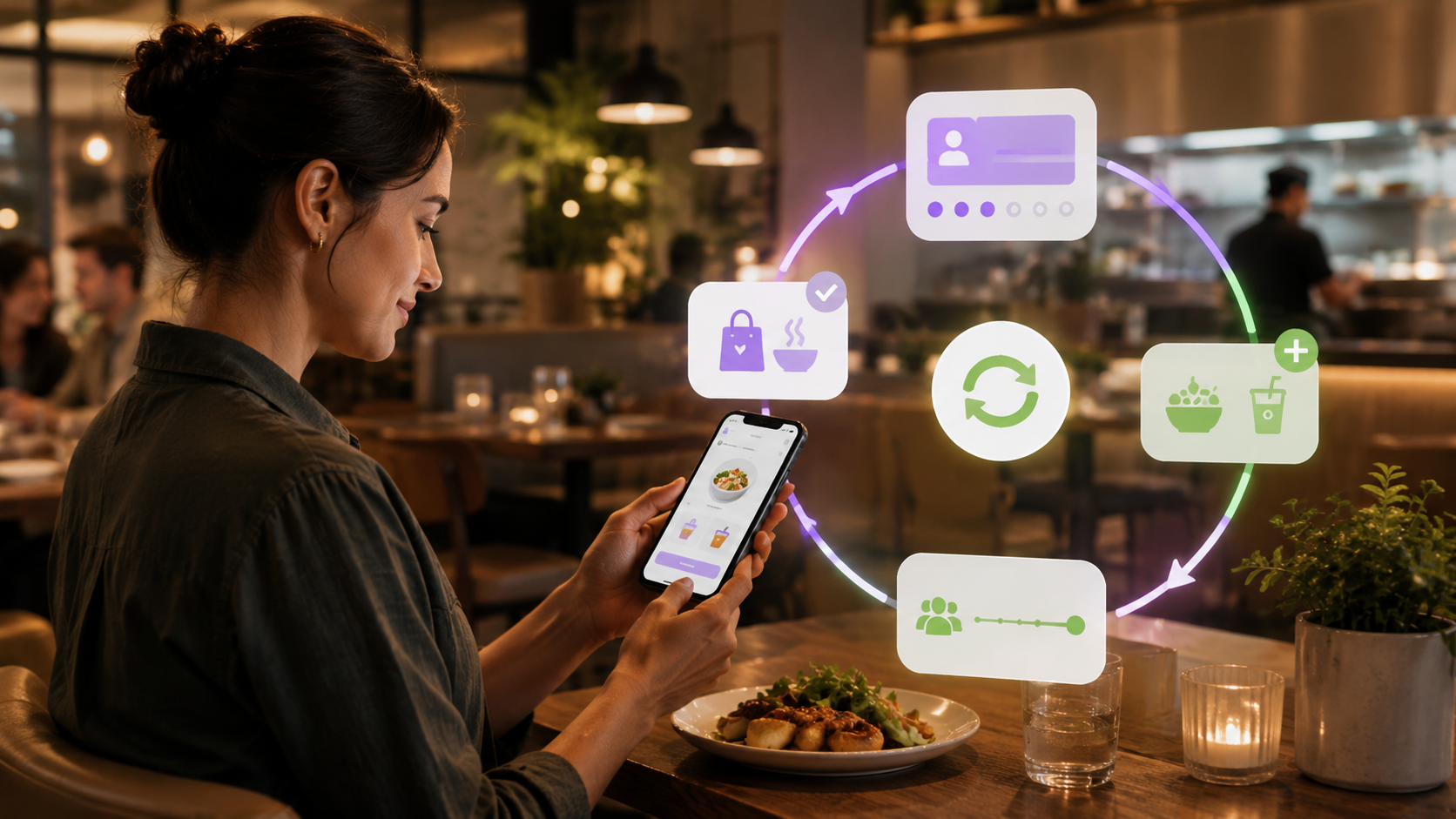
Loyalty programs have a reputation problem. Many restaurant guests have experienced a version that felt indistinguishable from a stamp card — rewarding purchases they were already going to make, with no real influence on how often they visit, how much they spend, or how they order.
That's not a loyalty program. That's a delayed discount with more administrative overhead.
The purpose of a real loyalty program is not to reward past behavior. It is to create new behavior. A well-structured points system should do at least one of the following measurably better than no program at all:
Drive more frequent visits. If a guest currently visits twice a month, a points structure that makes a third visit feel meaningfully rewarding creates real incremental revenue. A flat percentage cashback on each transaction offers no such motivation — it rewards the visit after the fact without influencing the decision to come back sooner.
Increase average order value. Milestone rewards, tier upgrades, and points thresholds give guests a concrete reason to add an item to their order. "I'm 300 points away from a free appetizer" is a behavioral nudge. Accumulating points toward an ambiguous future reward is not. The design of thresholds and redemption mechanics matters far more than the total generosity of the program.
Move guests toward direct ordering. Third-party delivery platforms often charge significant commissions and limit restaurants' access to customer data. A loyalty program tied to your own web ordering, mobile app ordering, or QR code ordering gives guests a direct reason to choose your channel — and gives you the behavioral data that follows. Turning a guest who found you through a third-party platform into someone who orders directly is one of the most strategically valuable applications of a points system.
Generate usable first-party data. Every loyalty interaction — what was ordered, when, at what frequency, through which channel — is data the restaurant owns. This is the foundation for moving from mass promotions to personalized offers that actually convert.
The critical design question is not "how generous should the program be?" It's "are we rewarding behaviors we want to see more of, or behaviors that are already happening?"
If enrolled members aren't visiting more frequently, aren't spending more per order, and aren't shifting toward direct ordering over time, the program may be creating future reward costs without enough measurable return.
The value of loyalty points is not the reward itself. The value is the behavior loop they create.
A Practical Way to Choose the Right Incentive
Neither tool is universally better. The right question isn't "discounts or loyalty points?" but "what behavior am I trying to create, and which tool is more likely to create it?"
If the goal is to bring in first-time guests, a discount can lower the barrier to trial. New customers may not know your menu, your service style, or whether the experience is worth the full price yet. A limited offer can reduce that hesitation.
If the goal is to fill slow hours, a targeted discount or a double-points window can help create demand during low-traffic periods. The key is to avoid making the offer too broad — the incentive should support a specific time period, not reset guest expectations for your entire brand.
If the goal is to increase repeat visit frequency, loyalty points are usually the stronger tool. Guests need a reason to come back sooner, and a clear reward path can make the next visit feel more immediate.
If the goal is to increase average order value, loyalty milestones can be more effective than a flat discount. A points threshold, tier upgrade, or reward goal can encourage guests to add a drink, side, dessert, or premium item without reducing the perceived value of the entire order. This is also why how app homepages influence ordering behavior matters: the way rewards, add-ons, and featured items are presented can shape what guests choose next.
If the goal is to move guests toward direct ordering, app- or web-exclusive rewards are often more useful than public discounts. The incentive gives guests a reason to order through your own channel, while the restaurant gains better access to customer behavior and order data.
If the goal is to re-engage inactive guests, a personalized comeback offer is usually more efficient than a broad promotion. It reaches guests who are actually at risk of leaving, instead of discounting customers who were already planning to return.
In other words, discounts are better for short-term action. Loyalty points are better for long-term behavior. The smartest strategy starts with the business goal, not the incentive type.
Discounts are better for short-term action. Loyalty points are better for long-term behavior.
The Smarter Strategy Is Controlled Incentives
The restaurants that use discounts and loyalty programs most effectively aren't choosing between them. They're controlling who receives each offer, when, and for what reason.
Public promotions — a discount code shared on social media, a sign in the window — are built for reach. They work when awareness is the primary goal. They're also expensive, indiscriminate, and can create exactly the customer conditioning problem described earlier.
Controlled incentives work differently. They're targeted, timely, and tied to a specific behavioral outcome. In practice, this looks like:
New guest welcome offer. A first-visit discount sent exclusively through your loyalty program sign-up flow removes the offer from public view and creates an immediate reason to join your ecosystem. From that point, you have a direct channel to the guest — something a mass coupon code never gives you.
Slow-period double points. Instead of publicly advertising 15% off on Tuesday afternoons, offer enrolled members double points for orders placed during that window. You fill the capacity gap, protect your brand pricing, and reward only the behavior you actually want.
Inactive guest reactivation. A personalized offer sent to a guest who hasn't visited in 60 days can be more efficient than a blanket promotion because it only reaches guests who are already at risk of churning.
High-frequency guest recognition. Your best customers typically don't need a discount to return. What they respond to is recognition: early access to a new menu item, a birthday reward that feels personal, or exclusive status within a tier system.
Channel-specific incentives. If the goal is moving guests from a third-party platform to your own ordering channel, the incentive to make that switch should live on your own platform. Bonus points on the first direct order, or a free item on the first in-app purchase, can convert delivery app users into direct ordering customers — where you retain more of the margin and build a more direct relationship with the guest.
The underlying logic is straightforward: public discounts are designed for reach. Controlled incentives are designed for outcomes. Knowing the difference — and designing accordingly — is what separates a promotion from a strategy.
Public discounts are loud, but controlled incentives are often more profitable.
What Restaurants Should Track Before Choosing a Strategy
The most common mistake restaurants make with incentive programs is evaluating them by the wrong metrics. A discount weekend that generated 200 orders feels like a success until you check how many of those guests returned at full price.
Before scaling either strategy, restaurants should track the right indicators.
For discount campaigns:
Incremental orders: How many orders wouldn't have happened without the discount? Compare against baseline performance in prior equivalent periods.
Net margin per discounted order: What is the actual profit after food cost, labor, and overhead — not just revenue?
Full-price return rate: Of guests who first visited through a discount, how many returned within 90 days and paid full price?
For loyalty programs:
Enrollment matters, but activity matters more.
Active member rate: Of enrolled members, how many have earned or redeemed points in the last 60 days?
Visit frequency differential: Do members visit more often than non-members, and is the gap growing over time?
Average order value differential: Are members spending more per order than non-members?
Direct ordering conversion rate: Are loyalty incentives actually moving guests toward your own ordering channels?
These numbers tell you whether your incentive system is creating behavior or just creating cost. A well-functioning loyalty program should show gradual but compounding improvement in these indicators over a 6–12 month period — even if the early numbers look modest.
Don't Choose the Cheapest Incentive. Choose the Right Behavior.
Discounts and loyalty points aren't competing versions of the same idea. They create different guest behaviors, carry different cost structures, and serve fundamentally different business goals.
Discounts are a traffic tool. Used precisely — targeted, time-limited, deployed for a specific purpose — they can fill a slow table, convert a first-time visitor, or recapture a guest who drifted away. Used as a default strategy, they can gradually train your most valuable customers to wait for the next deal.
Loyalty points are a retention system. Designed around behaviors you actually want to see more of — higher visit frequency, larger average orders, direct ordering — they create compounding returns over time.
Both tools need a clear goal, the right data, and a connected ordering experience to deliver results.
Incentives also work better when they are part of a broader digital journey — from how diners search, ask, and order online to how they return after the first visit.
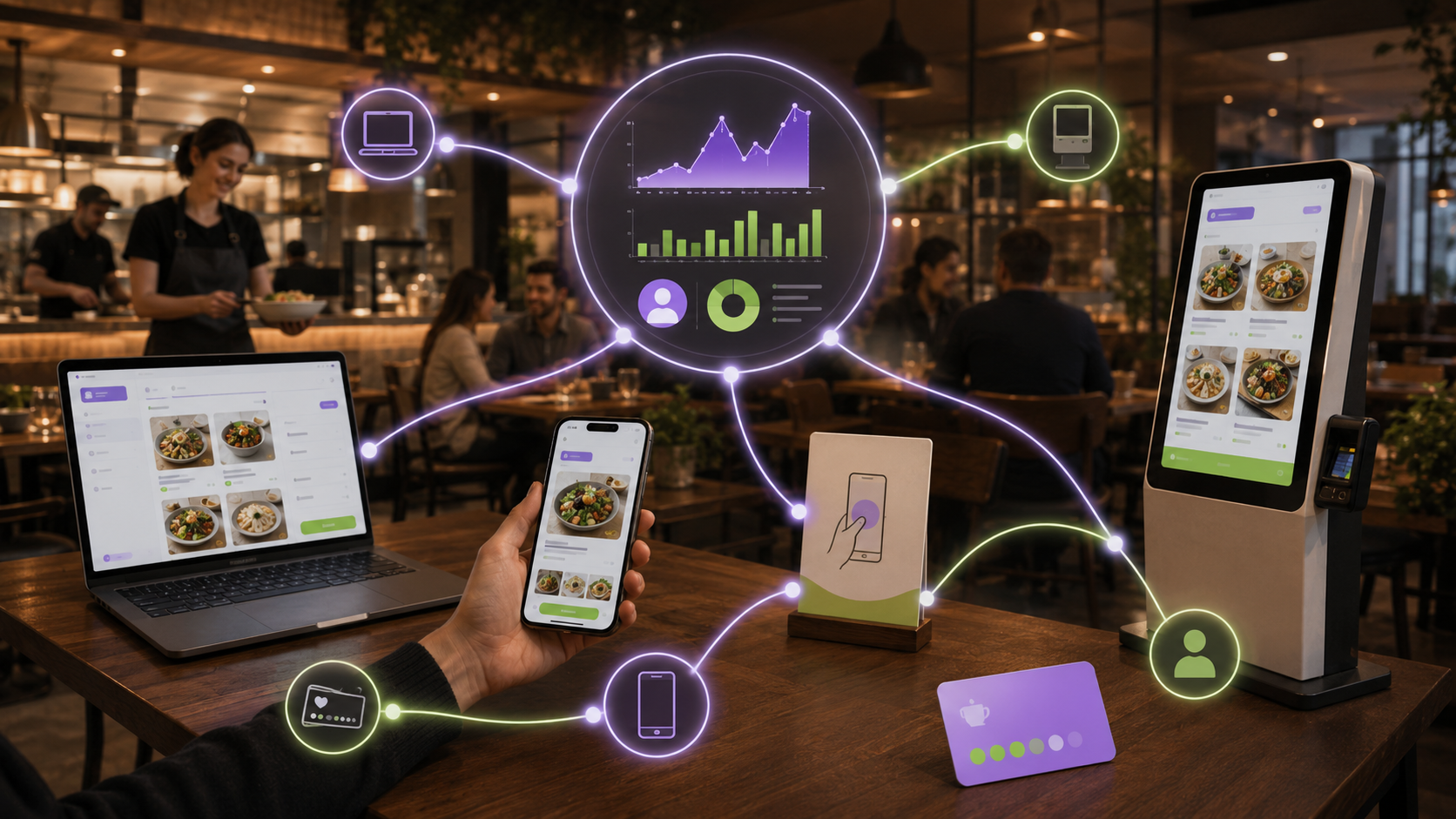
For restaurants, this is where connected digital ordering makes the strategy easier to manage. When loyalty programs are connected with web ordering, mobile app ordering, QR code ordering, and kiosk channels, restaurants can better understand which incentives lead to repeat visits, larger orders, and more direct customer relationships.
Connexup helps restaurants bring these ordering and loyalty touchpoints into one connected guest experience — making it easier to turn incentives into measurable repeat behavior.